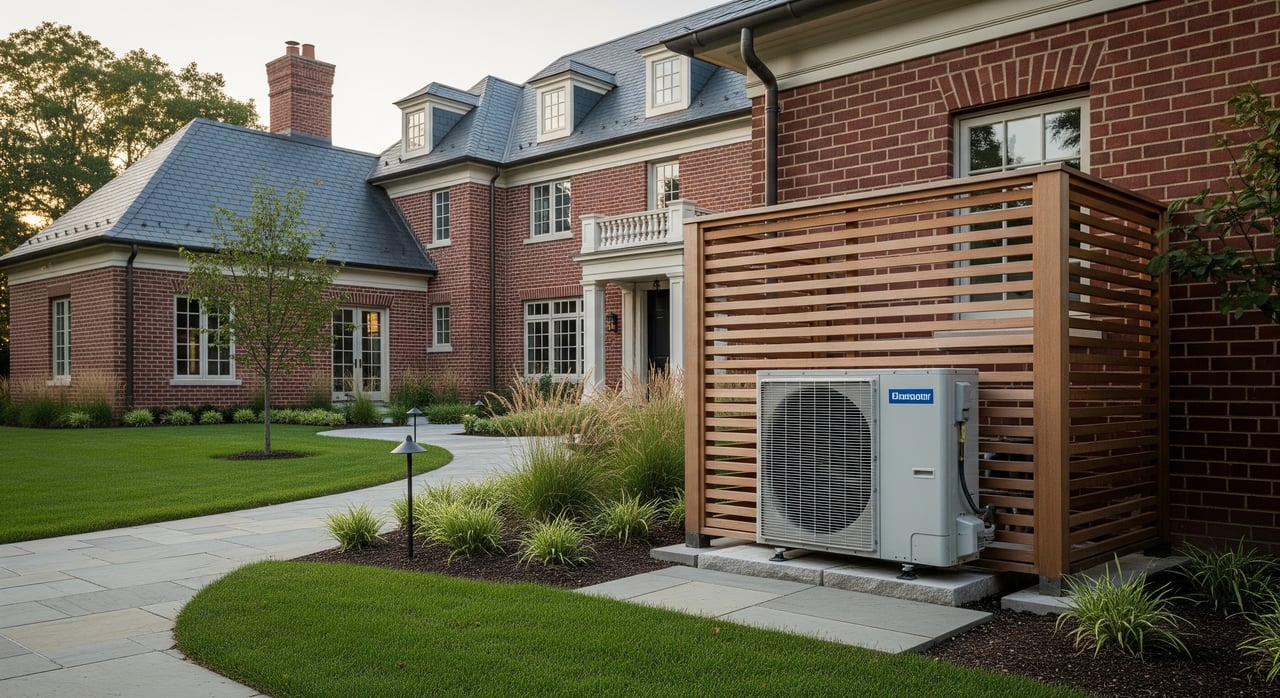
Burr Ridge Heat Pump Rebates with ComEd and Nicor
October 16, 2025
October 16, 2025
Thinking about a heat pump for your Burr Ridge home but not sure how it will hold up in January? You’re right to ask, because our winters are real and your comfort matters. The good news is today’s cold-climate systems can heat efficiently here, and there are rebates and tax credits that can lower your upfront cost. In this guide, you’ll learn how heat pumps work in Burr Ridge, what they cost, which rebates apply in 2025, and the steps to get it done smoothly. Let’s dive in.
Burr Ridge sits in a cold heating region with about 5,974 heating degree days each year, so winter performance is critical. You can choose modern cold-climate air-source heat pumps that are designed and tested for low temperatures and validated in field studies. ENERGY STAR maintains criteria that help you identify models ready for cold weather in the Chicago area. You get heating and cooling in one system with lower on-site emissions than fuel-fired heat.
If you already have ducts, a centrally ducted heat pump can often replace your AC and pair with your existing furnace as backup. Choose a cold-climate model that meets ENERGY STAR criteria and be sure your contractor sizes it correctly. Many Burr Ridge homes opt for a hybrid setup that uses the furnace on the coldest nights while the heat pump covers the majority of the season.
For additions, rooms that never feel right, or homes without ducts, ductless mini-splits are flexible and efficient. You can serve one area with a single indoor head or multiple zones throughout the house. They are also eligible for utility rebates if they meet efficiency thresholds and are installed by an approved contractor.
Geothermal systems deliver the highest efficiency and steady winter performance by using the ground as a heat source. They typically cost more upfront due to drilling or excavation. If you plan to stay long term and your site allows, geothermal can be a strong comfort play with low operating costs.
Every home is different, but these ranges help you budget before quotes:
Electricity and gas prices drive your monthly costs. ComEd’s recent price-to-compare was reported near 10.03 cents per kWh as of June 1, 2025, but your bill depends on delivery rates and plan type. Nicor Gas supply prices vary by month, and gas price swings can change the savings picture.
Your savings depend on the heat pump’s seasonal efficiency, your home’s insulation and ducts, and how you operate the system. Analyses show payback can vary widely in colder regions, especially if you are replacing a newer efficient furnace. In many cases, incentives, proper sizing, and air sealing tip the economics in your favor (payback nuance overview).
You may claim 30 percent of purchase and installation costs for qualifying heat pumps, up to a $2,000 annual cap, through December 31, 2025. Starting in 2025, many products must include a Qualified Manufacturer Identification Number on your tax filing. Recent federal legislation schedules many homeowner clean-energy credits to end for property placed in service after 2025, so timing matters. Confirm details with your tax professional and the IRS resources before you buy (IRS 25C credit, legislation status).
ComEd offers point-of-sale rebates when you use an approved Trade Ally contractor. Typical rebates have been about $1,400 for qualifying ducted systems and about $1,000 for qualifying ductless mini-split installations. Always verify model eligibility, contractor status, and current program year deadlines before signing a contract (ComEd rebate details).
Illinois is preparing to launch DOE-funded home energy rebates with phased pilots focused first on low-income households. Programs are expected to expand in late 2025 into 2026, with details on amounts, eligibility, and point-of-sale discounts set by the state. Keep an eye on the Illinois EPA page for updates that could increase your savings if you qualify (Illinois energy rebate updates).
Define your goals and budget. Decide if you want full-electric or a hybrid setup using your existing furnace for the coldest days.
Get at least three local quotes. Ask each contractor to perform a Manual J load calculation and share expected HSPF2 and SEER2. Cold-climate sizing and commissioning are essential for performance (cold-climate sizing guide).
Confirm rebates and paperwork before you sign. Verify Trade Ally status for ComEd, check that your model meets program criteria, and confirm QMID documentation for the federal credit (ComEd rebate details, IRS 25C credit).
Pull the proper permit. The Village of Burr Ridge requires mechanical permits and inspections for HVAC work, with increased enforcement reported in 2025. Contact Community Development to confirm steps and fees (Burr Ridge permit info).
Plan your backup strategy. Discuss electric strips, dual-fuel control settings, and thermostat programming so the system balances comfort and cost in cold snaps (backup strategies overview).
Commission and maintain. Ask for a commissioning report, keep filters clean, and schedule routine service. Proper setup preserves efficiency and comfort.
Energy-efficient upgrades can support resale value when buyers see comfort, lower operating costs, and documentation. Studies have found sale price premiums associated with homes that have heat pumps, though results vary by market. Keep your invoices, model numbers, and recent energy bills in a neat packet to showcase value when you list (heat pump value research).
Ready to map this upgrade to your selling or buying plans in Burr Ridge and the western suburbs? For local, practical guidance on which improvements pay off and how to position them in a sale, connect with Deidre Rudich.
Stay up to date on the latest real estate trends.
Whether you're seeking expert guidance on the market trends, property valuations, or specific neighborhoods, Deidre is ready to provide you with tailored solutions and personalized support. Send her a message through the contact form below, and she will be with you every step of the way.