Leave a Message

Thank you for your message. We will be in touch with you shortly.

Clarendon Hills For Move-Up Buyers: A Practical Overview

March 5, 2026

Outgrowing your first home and craving more space, function, and an easier routine? You are not alone. Many families look west from the city or nearby suburbs for a bigger yard, strong schools, and a manageable train commute. If that is you, this guide shows how Clarendon Hills stacks up on price, housing styles, schools, commute, and taxes, plus how it compares with Western Springs, Hinsdale, and La Grange. Let’s dive in.

Why Clarendon Hills works for move‑up buyers

Clarendon Hills blends small‑town ease with practical access. K–8 schools fall within Community Consolidated School District 181, with most high‑schoolers attending Hinsdale Central in District 86. You can review program details and boundary tools on the District 181 website and see reports and recognitions through Hinsdale Township High School District 86.

Commuting is straightforward on Metra’s BNSF line. The station sits at 1 S. Prospect Avenue in the heart of downtown. Depending on the train, the ride to Chicago’s Union Station is commonly in the 20 to 35 minute range. Check schedules, parking, and station info on Metra’s Clarendon Hills page to plan your door‑to‑desk timing.

Lifestyle perks are close at hand. The compact downtown offers everyday conveniences and dining near the station, and Prospect Park is a central green space for sports and gatherings. The Park District continues to invest in local amenities, which you can follow through its park renovation updates.

Housing types and lots you will see

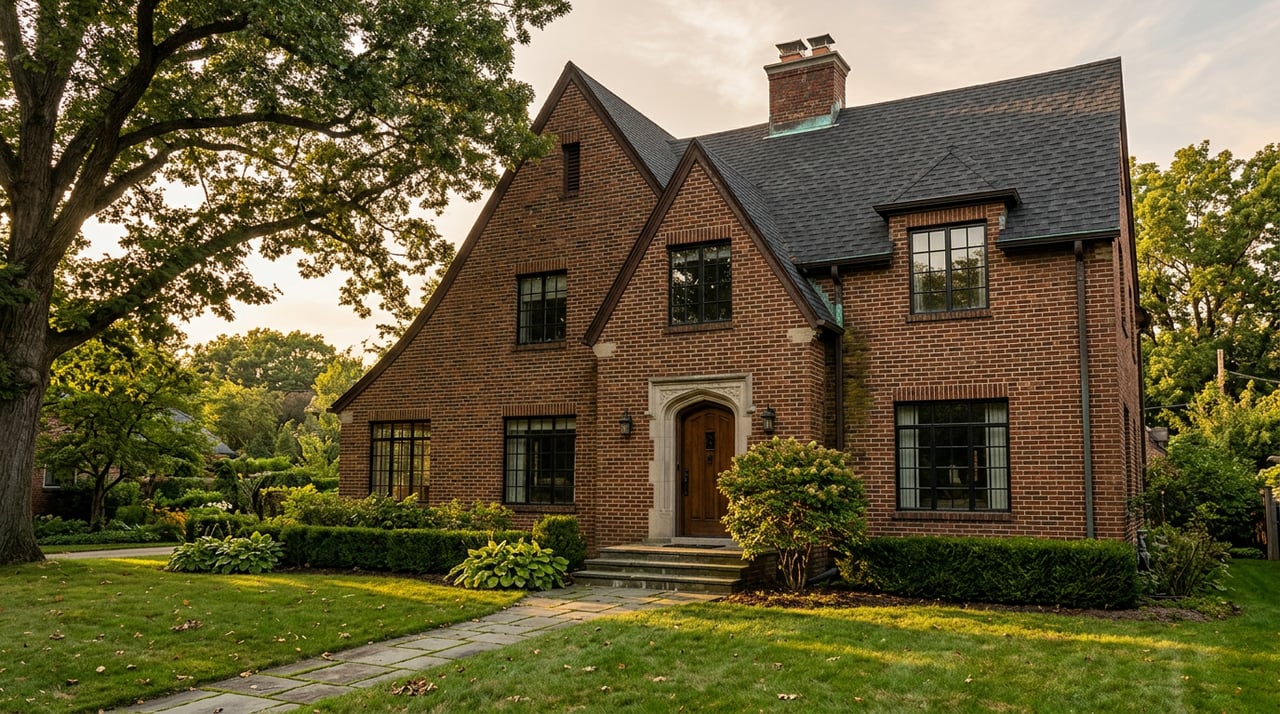
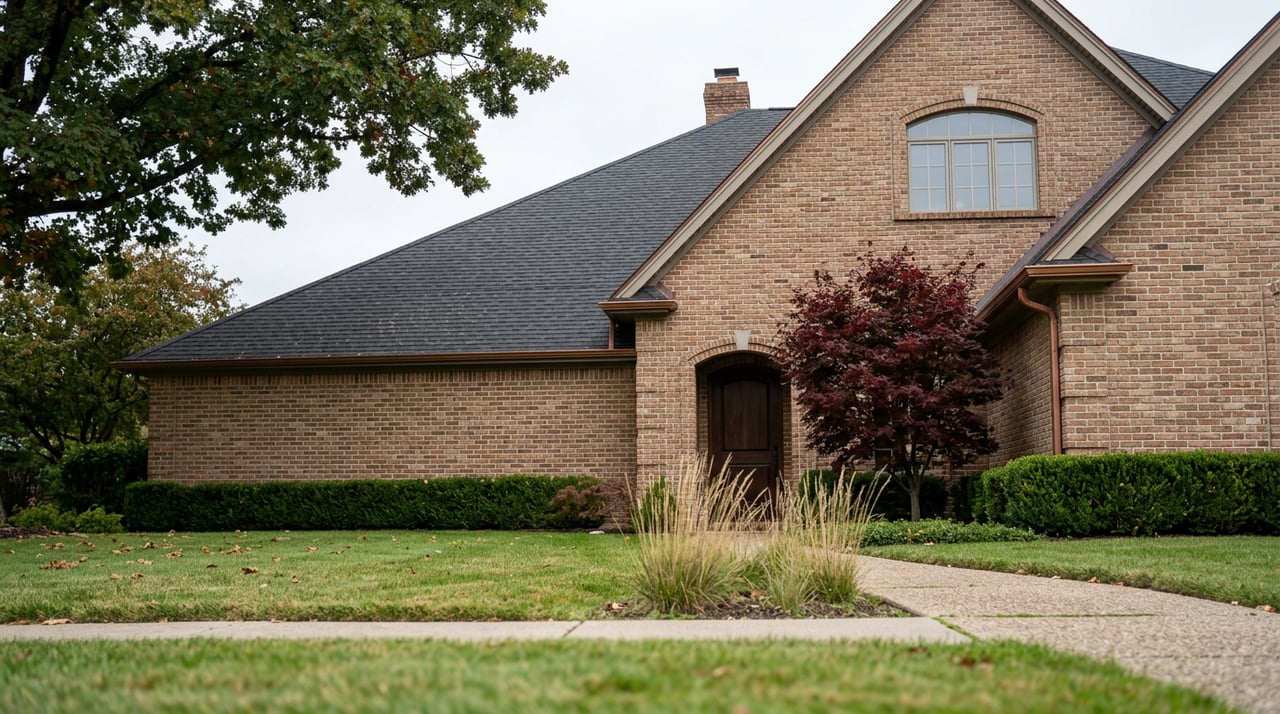
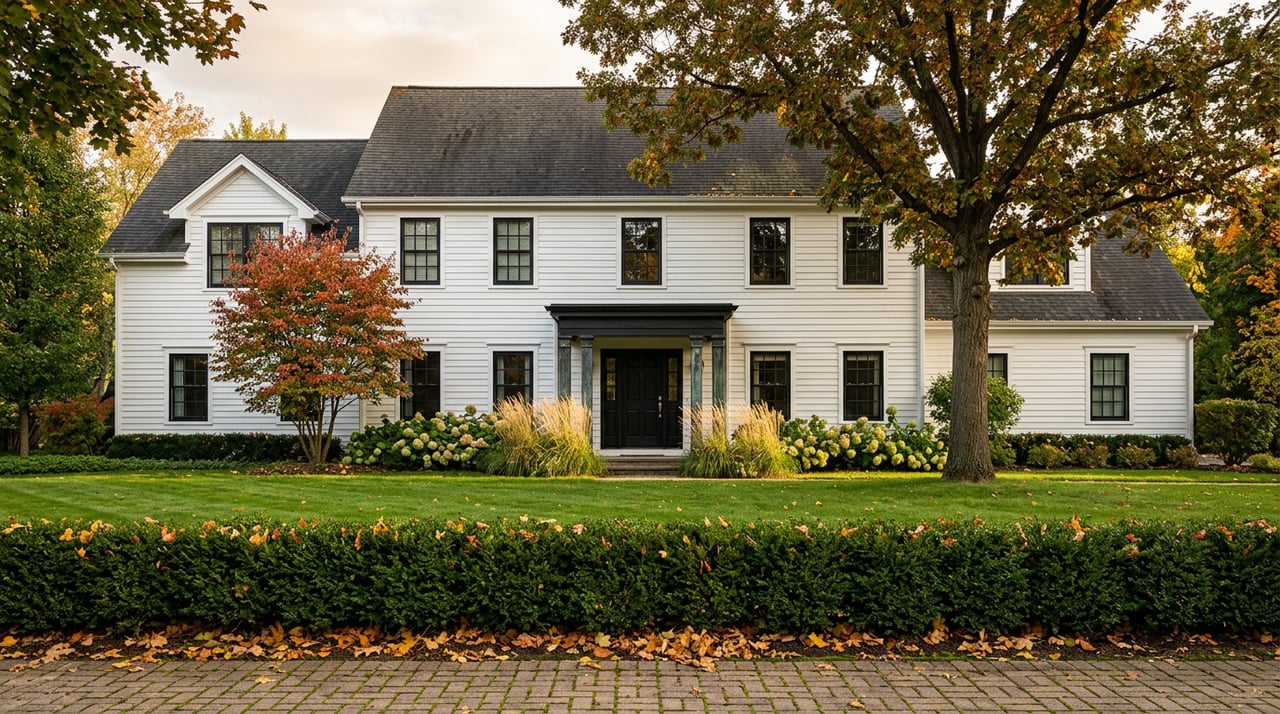
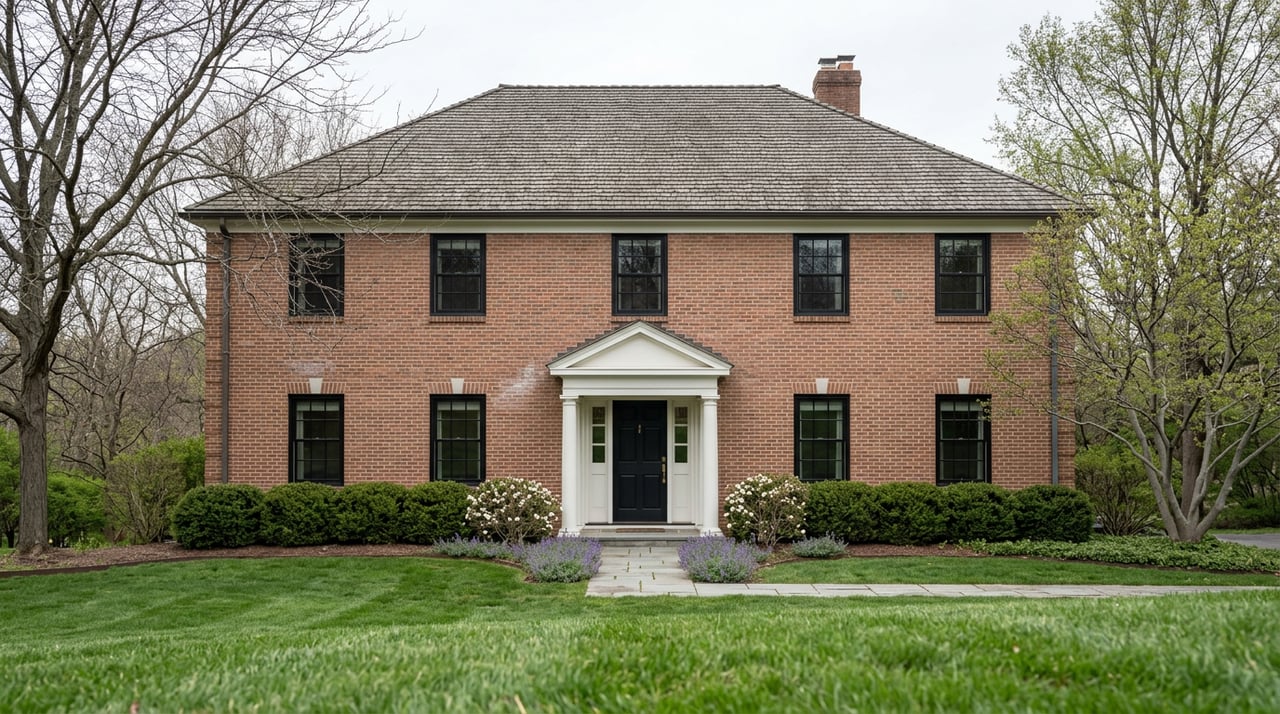
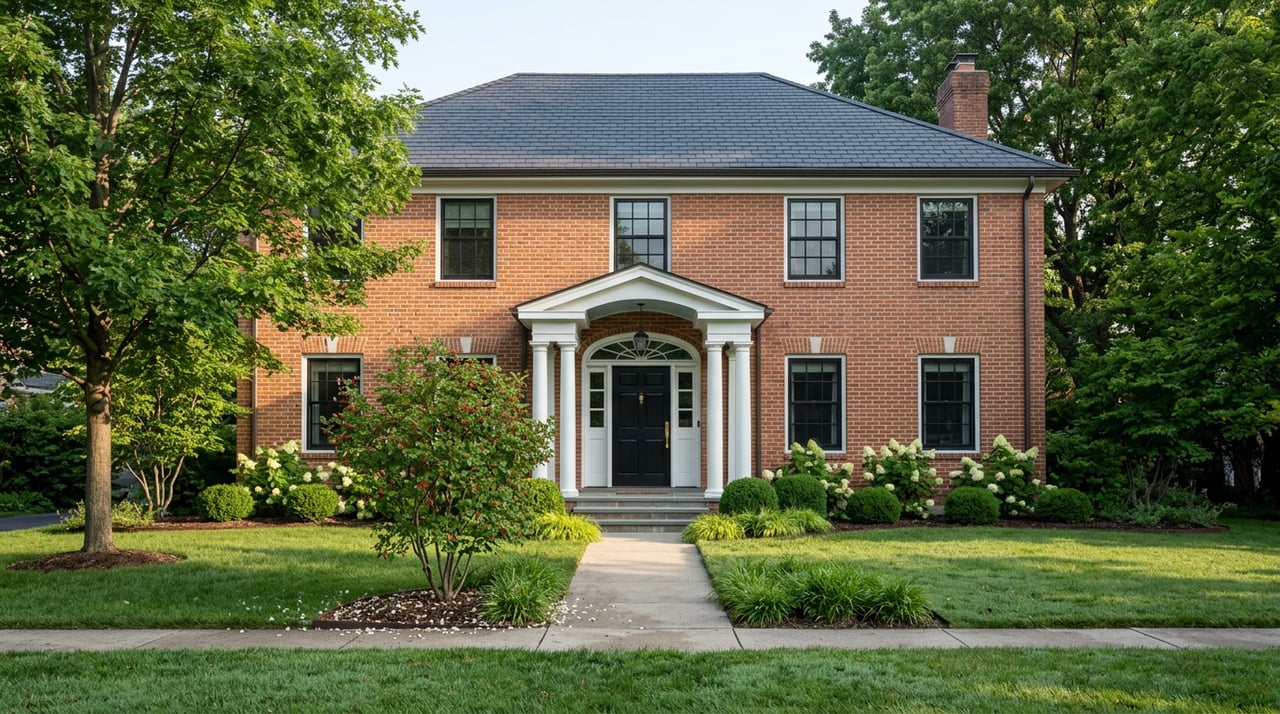
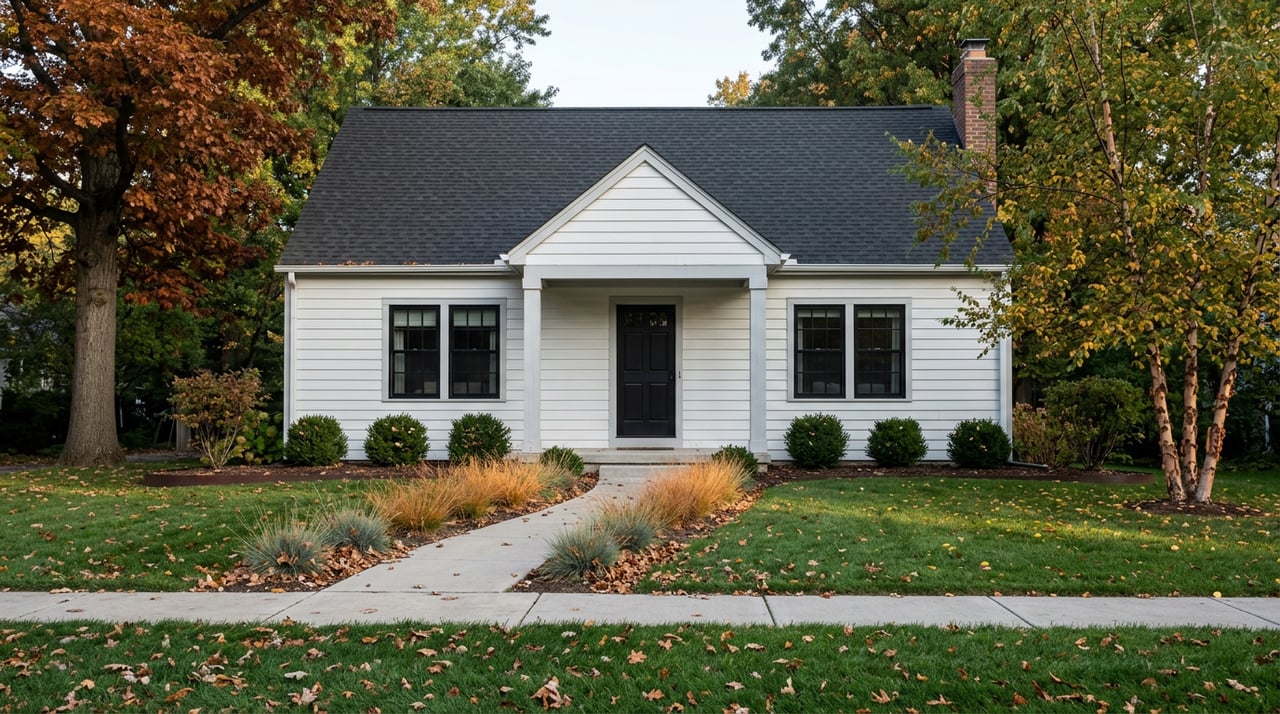
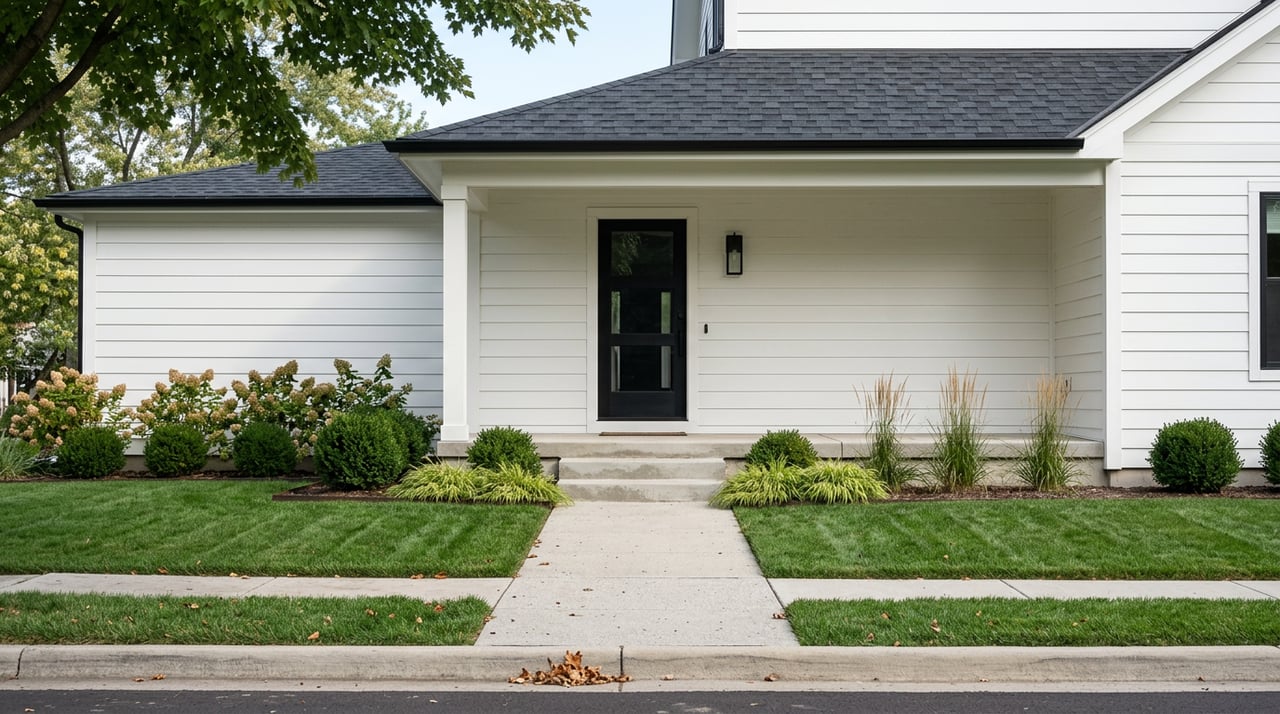
You will find a mix of early to mid‑20th century homes near downtown, plus mid‑century and later subdivisions farther out. Many move‑up buyers target updated two‑story homes with 3 to 5 or more bedrooms, a finished lower level, and an open kitchen. You will also see new builds and tasteful re‑builds on established streets.

Lot sizes vary. Closer to the center, parcels are often under 0.25 acre. In several pockets, you will find 0.25 to 0.5 acre lots and the occasional larger parcel. That range creates real options if you want room for an addition, plan to build, or simply prefer a larger yard. Inventory turns over, so keep an eye on listing activity street by street.

What you can buy by budget

Market metrics in winter 2025–26 place Clarendon Hills in roughly the low to mid six hundreds for a typical single‑family home. For example, the January 2026 Redfin median sale price was about $572,000, while Zillow’s typical home‑value index was roughly $637,800 through January 31, 2026. Different data sets use different methods, so consider both as context.

Here is a practical lens to help you scope options:

  • Under $600k

    • Expect well‑kept smaller single‑family homes, many with 3 beds and 1.5 to 2 baths, classic layouts, and manageable yards. Some homes may be move‑in ready with moderate updates. Others will be great candidates for phased improvements.
  • $600k to $900k

    • This band is where many move‑ups land. Look for 3 to 5 beds, 2.5 to 4 baths, updated kitchens, finished basements, and yards that can host playsets and pets. Proximity to the Metra, interior condition, and lot width influence the top of the range.
  • $900k and up

    • Newer builds and larger re‑builds enter here, often with 4 to 6 bedrooms, generous primary suites, premium finishes, and deeper lots. The most sought‑after locations, square footage, and design quality drive premiums.

Tip: When a listing checks multiple boxes, be ready to act. Condition, school pathway, and walkability can spark strong interest.

Clarendon Hills vs nearby towns

If you are comparing western suburbs, use these quick contrasts to focus your search:

  • Price context

    • Clarendon Hills often lands below Hinsdale and many pockets of Western Springs, and is competitive with parts of La Grange. Recent medians and smoothed value indices placed Clarendon Hills around the mid‑$500k to mid‑$600k band, while Western Springs commonly tracks higher and Hinsdale trends materially higher. La Grange spans a wider range with some areas similar to Clarendon Hills and others lower.
  • School pathways

    • Clarendon Hills: D181 for K–8 and Hinsdale Central for high school. Verify attendance boundaries on the D181 site and District 86 reports.
    • Western Springs: Elementary District 101 with most students attending Lyons Township High School District 204. Explore K–8 programs on the District 101 site.
    • Hinsdale: Large areas share D181 and District 86, similar to Clarendon Hills.
    • La Grange: Served by a mix of elementary districts with Lyons Township at the high‑school level. Boundaries vary by address, so confirm for each property.
  • Commute and downtown feel

    • Clarendon Hills, Western Springs, and La Grange all sit on the BNSF line with walkable cores by the station. Hinsdale also offers multiple BNSF stops. Clarendon Hills feels intimate in scale, which many buyers like for daily ease.
  • Lot and rebuild potential

    • Clarendon Hills offers a noteworthy spread in lot sizes, including some larger parcels that work well for expansions or new builds. Western Springs and Hinsdale have many larger historic lots, with Hinsdale often at the top end on size and price. La Grange is more mixed by neighborhood.

Commute, taxes, and monthly planning

Commuting is one of Clarendon Hills’ practical wins. You can park or walk to the station, then ride a local or express train. Review schedules, fares, and parking details on Metra’s Clarendon Hills station page so you can time a real‑world morning run.

Property taxes matter in your monthly picture. DuPage County’s effective property‑tax rates tend to sit above the U.S. average. Analyses place DuPage in roughly the 2.0 to 2.3 percent range, with Clarendon Hills properties often landing around 1.9 to 2.5 percent depending on parcel, school levies, and year. You can see a county summary in this DuPage property‑tax analysis and review local trends on an Illinois property tax tool. For any home you consider, pull the most recent tax bill and budget conservatively.

Utilities and insurance will vary by size, age, and improvements. Newer builds and well‑updated homes often have better efficiency. Larger lots and more square footage bring higher maintenance costs, so align features with what you will truly use.

Smart next steps for your search

  • Confirm the school pathway for any address on the D181 site and the District 86 reports page. Boundaries can change street by street.
  • Test the commute. Park at the Clarendon Hills station and ride an express and a local train on different days to feel the timing.
  • Review the tax picture. Use a local tax tool for estimates and compare to the most recent tax bill if available.
  • Clarify your lot goals. If you plan to add on or build, map where larger parcels tend to appear and confirm local requirements.
  • Tour with a plan. Bring a short list of must‑haves, nice‑to‑haves, and trade‑offs so you can move decisively when the right home hits the market.

When you are ready to take the next step, schedule a complimentary consult with Deidre Rudich. You will get a focused strategy, on‑the‑ground insights, and a clear path from first tour to closing.

FAQs

What makes Clarendon Hills appealing for move‑up buyers?

  • You get a manageable purchase range compared with several nearby towns, strong K–8 programming in D181 with a pathway to Hinsdale Central, a short train ride to Chicago, and a compact downtown for daily ease.

How do Clarendon Hills home prices compare to nearby towns?

  • Recent figures placed Clarendon Hills around the mid‑$500k to mid‑$600k band, often below many Western Springs pockets and well below Hinsdale on average, with La Grange spanning a wider range by neighborhood.

Which schools serve Clarendon Hills addresses?

  • K–8 is in Community Consolidated School District 181 and most students attend Hinsdale Central in District 86 for high school; confirm any property’s exact boundaries on the D181 website and District 86 reports.

How long is the Metra commute to downtown Chicago?

  • Typical on‑train time from Clarendon Hills to Union Station runs about 20 to 35 minutes depending on the train; check schedules and parking on Metra’s station page.

What are typical property taxes in Clarendon Hills?

  • DuPage County’s effective rates often run near 2 percent, with Clarendon Hills parcels commonly around 1.9 to 2.5 percent; see a county summary in this DuPage analysis and review local trends here.

Are there larger lots or rebuild opportunities in Clarendon Hills?

  • Yes, while many lots are under 0.25 acre near downtown, you will also find 0.25 to 0.5 acre parcels and occasional larger lots that attract buyers planning additions or new builds; availability varies by street and season.

Work With Deidre

Whether you're seeking expert guidance on the market trends, property valuations, or specific neighborhoods, Deidre is ready to provide you with tailored solutions and personalized support. Send her a message through the contact form below, and she will be with you every step of the way.