Hinsdale Neighborhoods, School Zones, and What Matters
May 21, 2026
May 21, 2026
Trying to make sense of Hinsdale neighborhoods and school zones? You are not alone. Many buyers assume a neighborhood name tells them everything they need to know, but in Hinsdale, the exact address matters more than the label. If you are comparing homes based on schools, commute, walkability, or home style, this guide will help you understand how Hinsdale is laid out and what to verify before you make a move. Let’s dive in.
Hinsdale has a clear physical structure, but it does not always match how buyers talk about neighborhoods. The village plan identifies Ogden Avenue to the north, the BNSF tracks through the center, and 55th Street to the south as major anchors, with I-294 on the east edge and Route 83 on the west.
That layout helps explain why one part of town can feel very different from another. The pre-1930 core developed around walkable access to downtown, the train, schools, parks, Village Hall, and the library, while later areas followed different development patterns.
For you as a buyer, the key point is simple: a broad neighborhood name may help you get oriented, but it does not confirm school assignment, commute setup, or even the type of housing stock on a given block.
This is the part that matters most for many buyers. Hinsdale elementary and middle school students are served by Community Consolidated School District 181, which includes elementary schools such as Elm, Madison, Monroe, Oak, Prospect, The Lane, and Walker, plus Hinsdale Middle School and Clarendon Hills Middle School.
At the high school level, Hinsdale Township High School District 86 assigns students based on residency within attendance boundaries. District 86 serves portions of both DuPage and Cook counties, and attendance is determined by where a property sits within the official map.
That means two homes in the same village, and sometimes in nearby areas, may not have the same elementary, middle, or high school path. If schools are part of your decision, you should verify every property on the official District 181 and District 86 boundary maps before moving forward.
In Hinsdale, neighborhood names are useful, but they are not the final word. A listing may say “Downtown Hinsdale,” “Robbins Park,” or “Woodlands,” but school attendance is still governed by district boundaries tied to the property address.
This is especially important because Hinsdale includes areas across different sections of DuPage and Cook counties, and its schools are not all located within one simple cluster. The practical takeaway is to treat neighborhood names as a starting point, not a guarantee.
Downtown Hinsdale refers to the historic rail-oriented core on the south side of the BNSF tracks. The village survey describes it as the heart of Hinsdale, with a mix of commercial buildings and some former homes that now serve as retail storefronts or professional offices.
For buyers, this area often means proximity to town and the train. It can also mean a different housing mix than you may find elsewhere in the village, including smaller in-town homes, renovated properties, and some higher-end outliers.
Current market data shows that downtown can price differently from Hinsdale overall. In March 2026, Redfin reported a median sale price of $962,500 in Downtown Hinsdale, while broader village figures were notably higher, which suggests that lot size, housing type, and location within the village can affect pricing in a big way.
If you want walkability, downtown is one of the first areas many buyers consider. The historic core was shaped around access to the train and civic destinations, and that still influences demand today.
At the same time, walk-to-town does not always mean the same school path as another nearby in-town home. This is where the address check becomes essential.
Robbins Park is one of Hinsdale’s best-known in-town areas. The village survey defines it as the area south of the Burlington Northern tracks, west of County Line Road, north of Fourth Street, and east of Garfield Avenue.
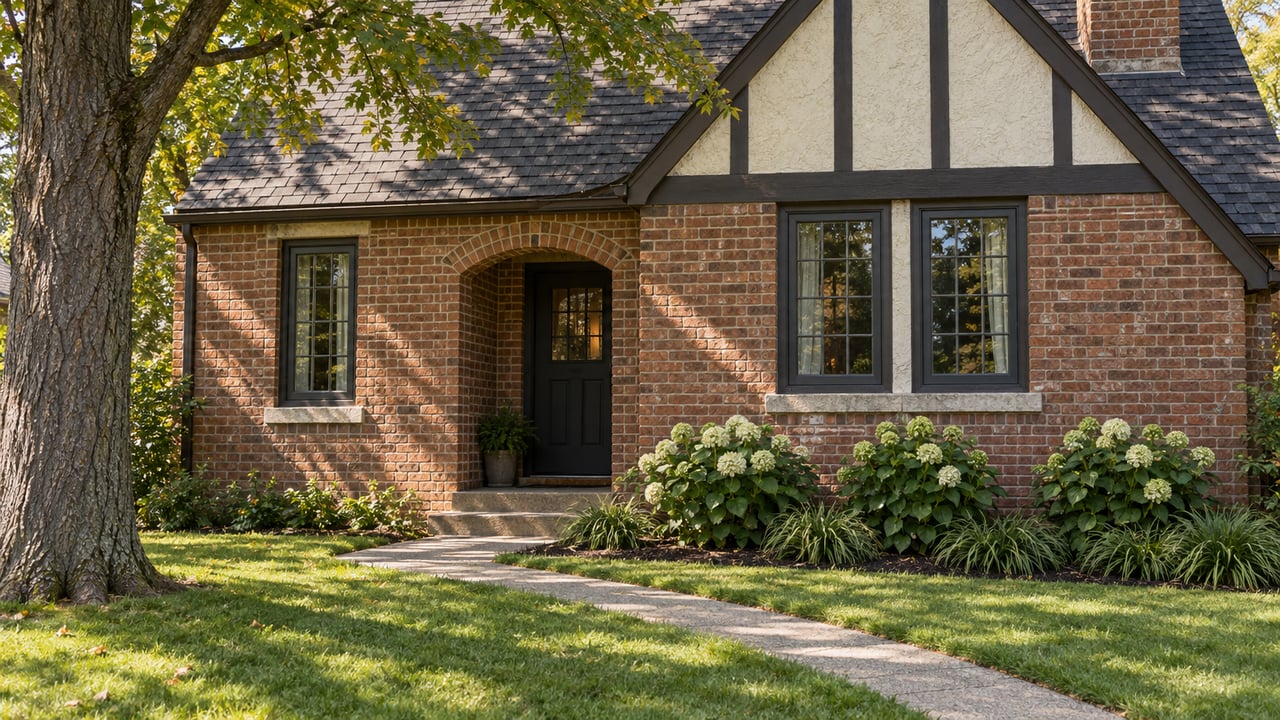
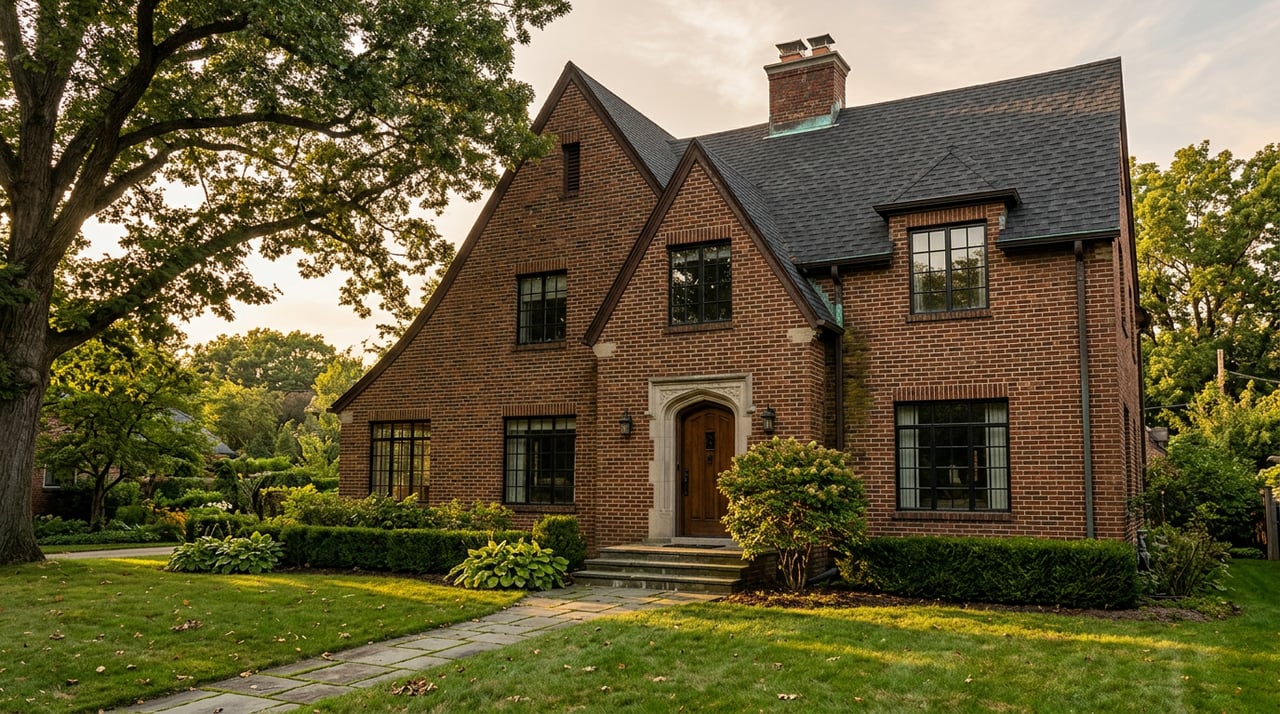
This area is known for older housing, larger picturesque lots, and a broad mix of architectural styles. The village survey identifies Queen Anne, Colonial Revival, Prairie School, Craftsman, American Foursquare, Dutch Colonial Revival, Tudor Revival, and Neo-Traditional homes within Robbins Park.
For you, Robbins Park usually signals historic character, established streetscape, and a premium in-town location. It does not signal a single uniform home type, price point, or school assignment.
Robbins Park tends to appeal to buyers who value architectural variety and mature surroundings. It also reflects some of Hinsdale’s oldest residential fabric, which can mean more variation from one home to the next.
Because of that, it is smart to compare properties based on exact location, lot size, condition, and school boundaries rather than assuming the whole neighborhood functions the same way.
On the east side of Hinsdale, the names Highlands and Woodlands are often used together, but they are not identical. According to the Hinsdale Historical Society, the area east of County Line Road between 47th and 55th Streets is commonly called the Woodlands, though the Woodlands is only the southern portion of the Cook County side, while the northern half is the Highlands subdivision.
This area developed differently from Hinsdale’s oldest in-town grid. Historical records show it was planned and annexed in the 1920s, with model homes and architect-designed houses including Spanish Eclectic and Italian examples.
For buyers, that makes the Highlands and Woodlands useful shorthand for a later planned residential area rather than the earliest walk-to-town core. As always, the neighborhood name gives context, but the property address still determines school assignment.
Fullersburg is best understood as a historical and geographic reference. Hinsdale’s north-side historic context is tied to Brush Hill and Fullersburg along Ogden Avenue and Salt Creek, and Fullersburg predates modern Hinsdale in the area’s development history.
If you see Fullersburg mentioned in conversation or marketing, it can help describe where a home sits within Hinsdale’s broader story. It should not be treated as a modern school-zone label.
For many buyers, the train is a major part of the search. Metra lists the Hinsdale station at 21 E Hinsdale Ave. on the BNSF line in fare zone 3, and the station has 331 parking spaces.
Nearby stations also include Highlands and West Hinsdale. That gives some buyers flexibility depending on where they land in the village.
The village plan makes clear that train access has long shaped demand in the historic core. If your goal is a walk-to-train lifestyle, certain in-town locations may line up well with that priority, but it is still worth checking the property’s exact relationship to the station you would actually use.
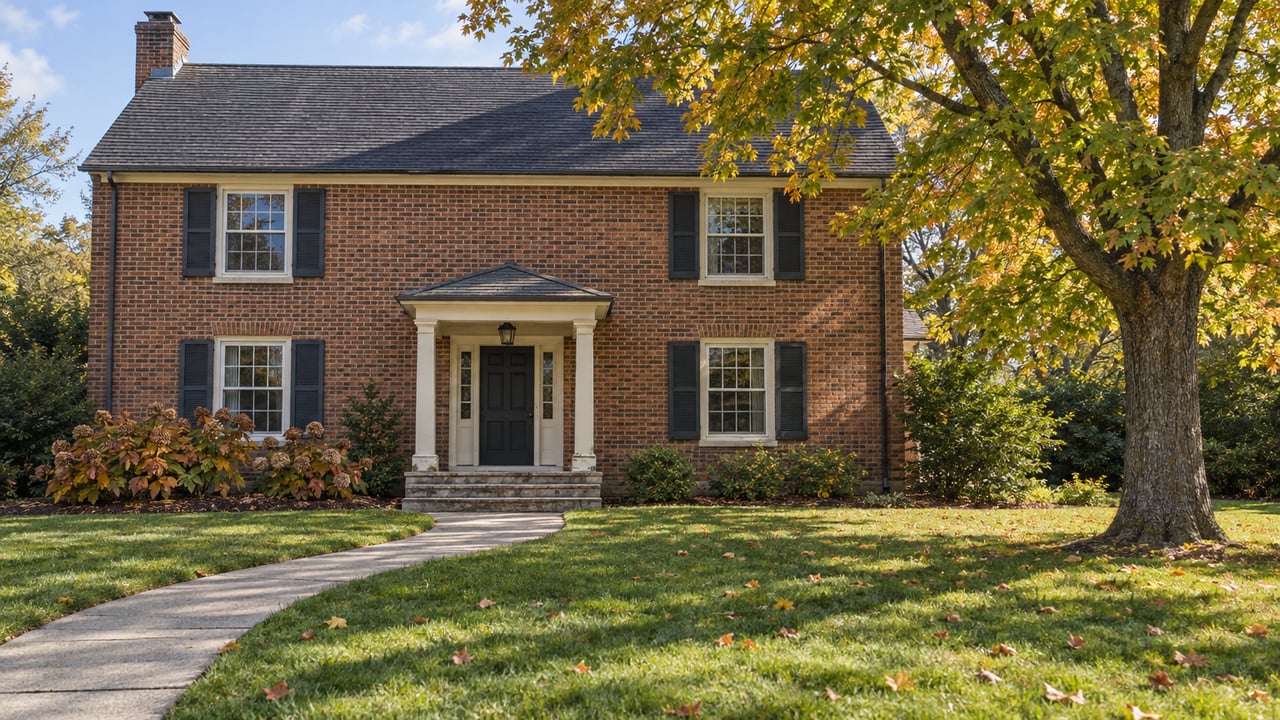
One reason Hinsdale can feel complex is that its housing stock changes quickly from one section to another. In in-town historic areas, village surveys and historical documents identify styles such as Queen Anne, Colonial Revival, Tudor Revival, Prairie School, Craftsman, Dutch Colonial Revival, American Foursquare, Renaissance Revival, and newer Neo-Traditional infill.
In post-1930 and postwar areas, the village plan notes more curving streets, cul-de-sacs, and some multi-family housing. That means your experience of Hinsdale may differ a lot depending on whether you are looking at the historic core, a planned east-side subdivision, or a later-developed residential pocket.
Hinsdale is a high-price market, but it is not one-size-fits-all. Realtor.com reported a March 2026 median listing price of $1.15 million, 59 active homes, median days on market of 42, and a 97% sale-to-list ratio.
Redfin reported a March 2026 median sale price of $1.727 million for Hinsdale overall, with 54 days on market. At the same time, Downtown Hinsdale showed a lower median sale price of $962,500 in March 2026, reinforcing how much pricing can shift by location and housing type.
For buyers and sellers alike, this is why exact-address pricing matters. A village-wide number can be useful for context, but it is not enough to evaluate one specific home.
If you are serious about buying in Hinsdale, a clear process can save you time and prevent surprises. Here are the main things to confirm for each property:
This kind of block-by-block review is often what helps buyers narrow the right fit with confidence.
Hinsdale is a market where details matter. Neighborhood names are helpful, but they only tell part of the story when school boundaries, home styles, commute options, and pricing can all change from one pocket to the next.
If you want to buy or sell in Hinsdale, the best strategy is to look beyond the label and evaluate the exact address in context. That is where local market knowledge can make the process much clearer and more efficient.
If you are comparing neighborhoods, sorting through school-zone questions, or preparing to buy or sell a home in Hinsdale, Deidre Rudich offers hands-on guidance backed by deep western suburb market knowledge and a concierge-level approach.
Stay up to date on the latest real estate trends.
Whether you're seeking expert guidance on the market trends, property valuations, or specific neighborhoods, Deidre is ready to provide you with tailored solutions and personalized support. Send her a message through the contact form below, and she will be with you every step of the way.