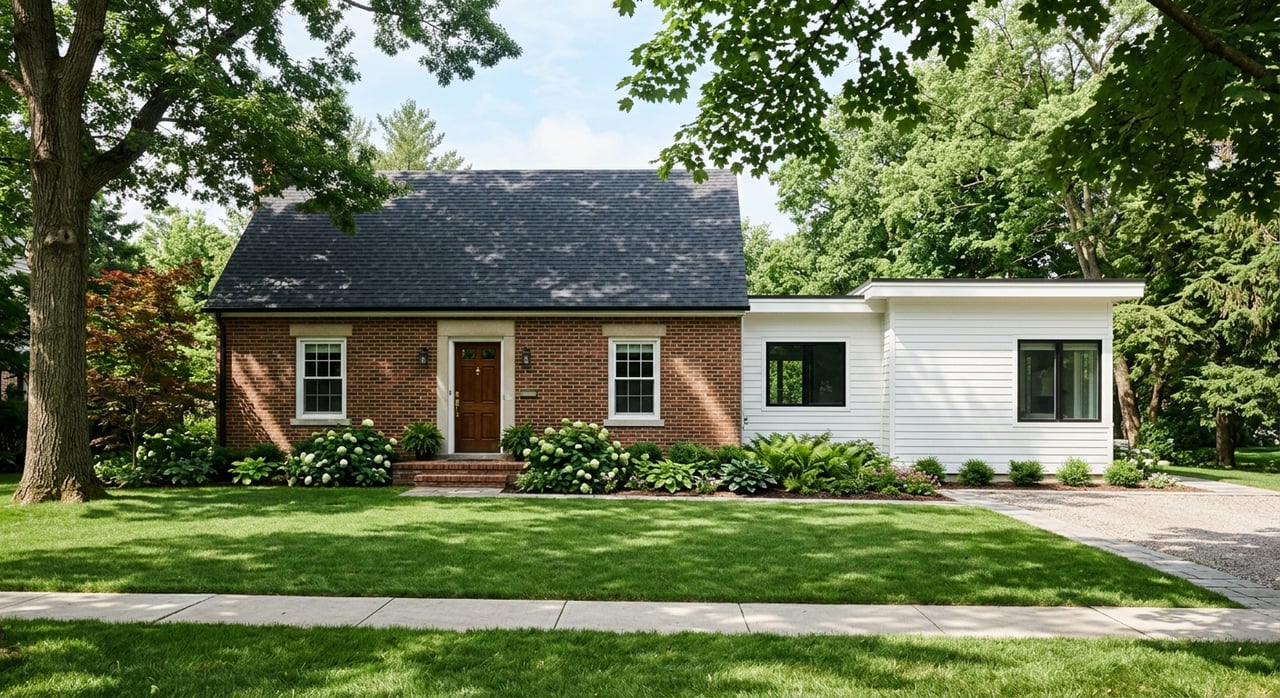
Clarendon Hills New Construction or Vintage Charm
May 14, 2026
May 14, 2026
Are you torn between a polished new build and a home with real history behind it? In Clarendon Hills, that decision is especially relevant because you are often choosing between two appealing versions of the same lifestyle: newer, turnkey living or older homes with character and established setting. If you are trying to decide which path fits your budget, priorities, and daily routine, this guide will help you compare the tradeoffs clearly. Let’s dive in.
Clarendon Hills is an established west suburban village that was originally planned in the 1870s and incorporated in 1924. Today, it has about 8,900 residents, more than 100 businesses, and a housing stock that is largely single-family detached homes.
What makes this market interesting is that you are not choosing between two totally separate worlds. The village has both older and newer housing, and its planning approach aims to balance new development with preservation of existing neighborhoods. That helps explain why buyers here often compare vintage charm and new construction side by side.
The housing mix also matters. Community snapshot data shows a median year built of 1976, while only 4.7% of homes were built before 1940. So while Clarendon Hills has older homes with character, the village overall still reflects a broad range of eras and styles.
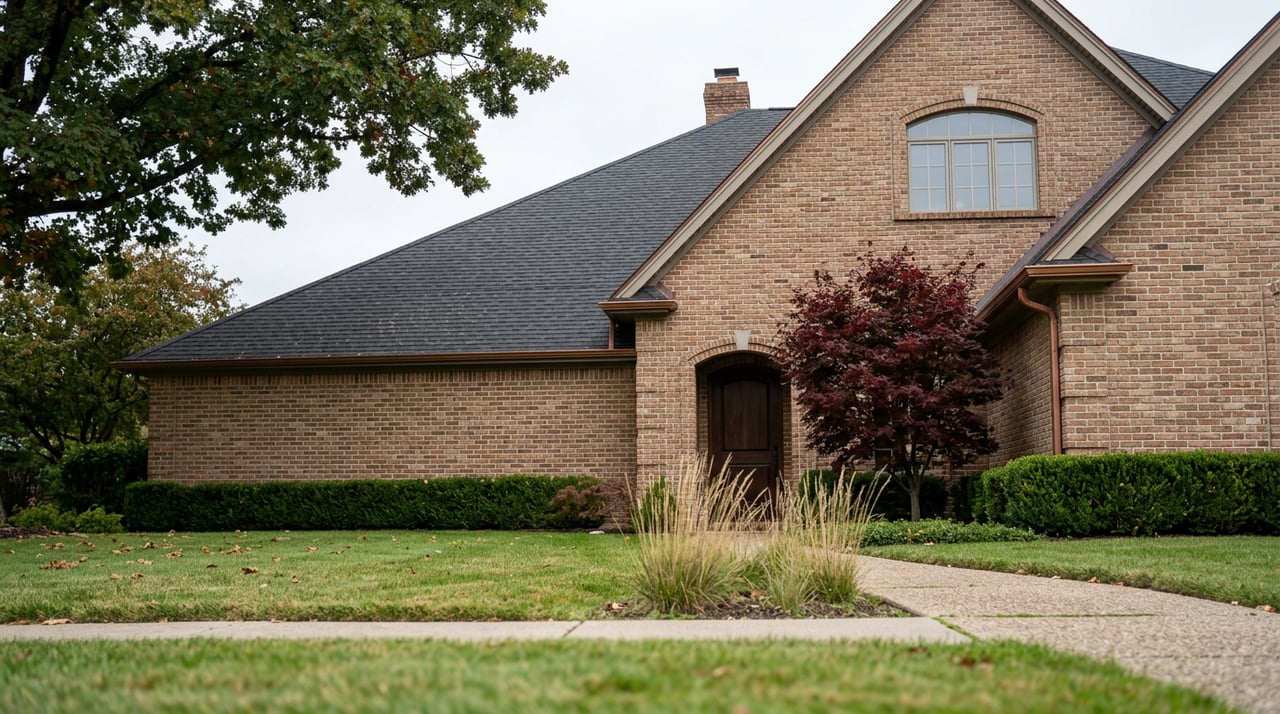
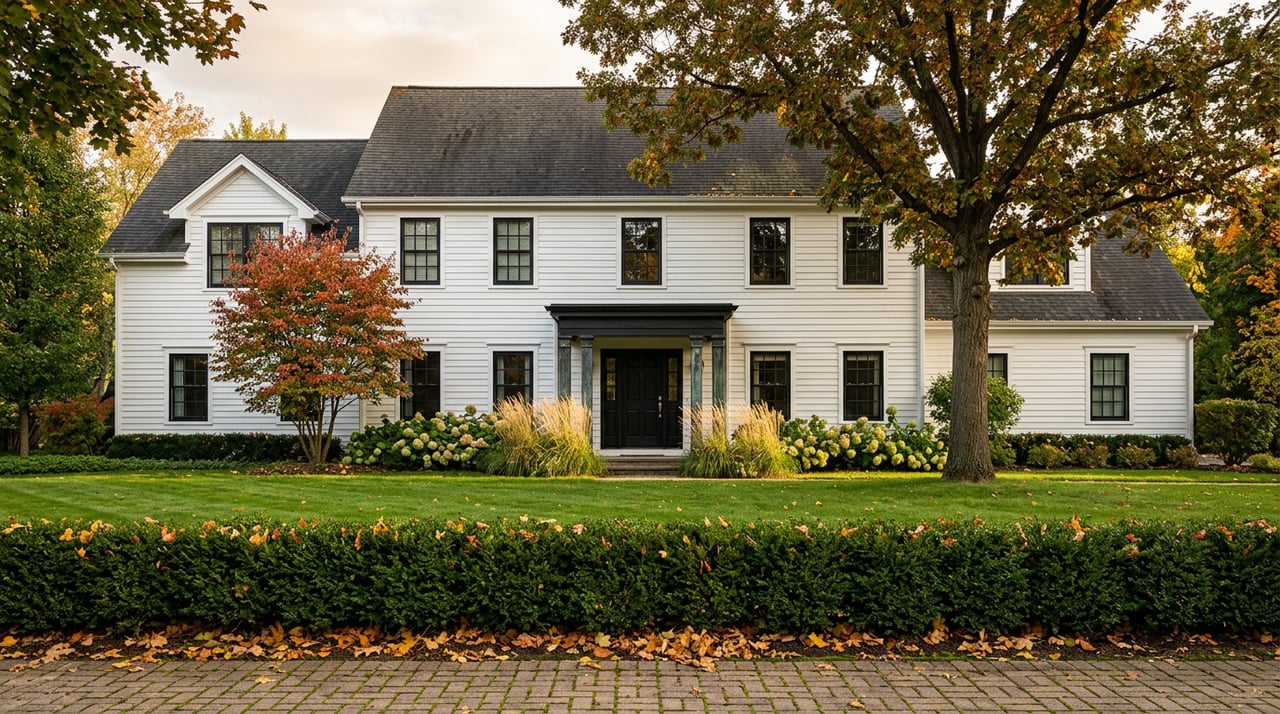
New construction in Clarendon Hills tends to feel polished, spacious, and designed for how many buyers want to live today. Current examples include modern farmhouse, modern rustic, updated traditional homes, brick rowhomes, and townhomes.
These homes often share a few common features:
If you want a home that feels move-in ready from day one, this category may immediately stand out to you. Many buyers are drawn to the convenience of newer systems, cleaner finishes, and layouts that support entertaining, working from home, and everyday flexibility.
Based on current listings, newer homes appear to cluster more often near the walk-to-town core. Streets like Prospect, Burlington, Park, and Coe show this pattern, along with a smaller pocket on 58th Street.
That lines up with the village's downtown revitalization and improvement planning, which focuses on the Prospect and Burlington area, the train station, and future downtown growth. If being close to the core is important to you, newer inventory may show up more often in these locations.
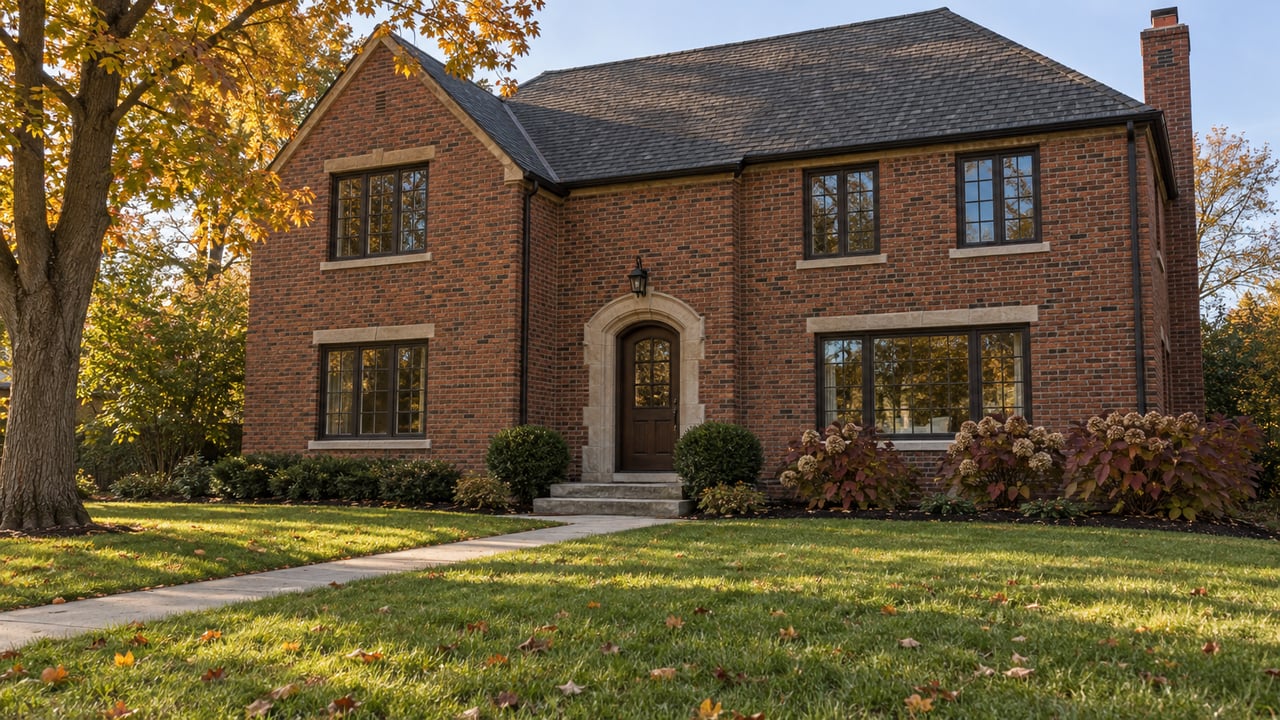
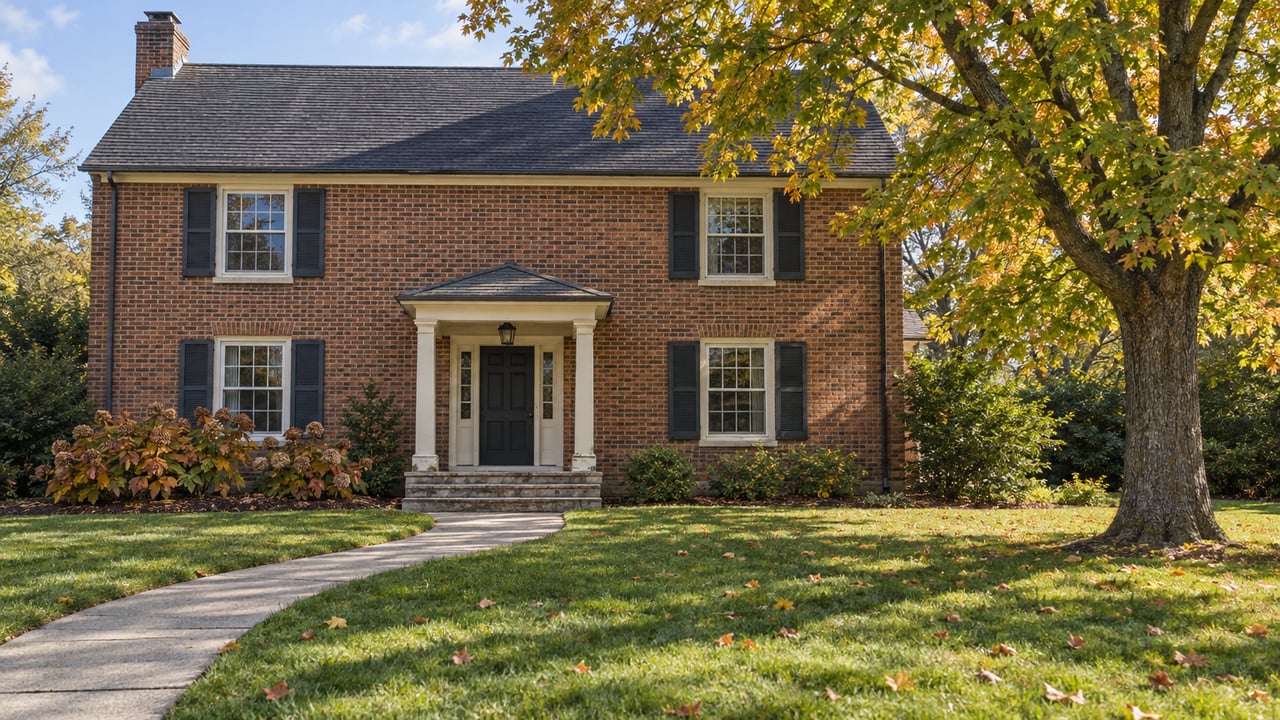
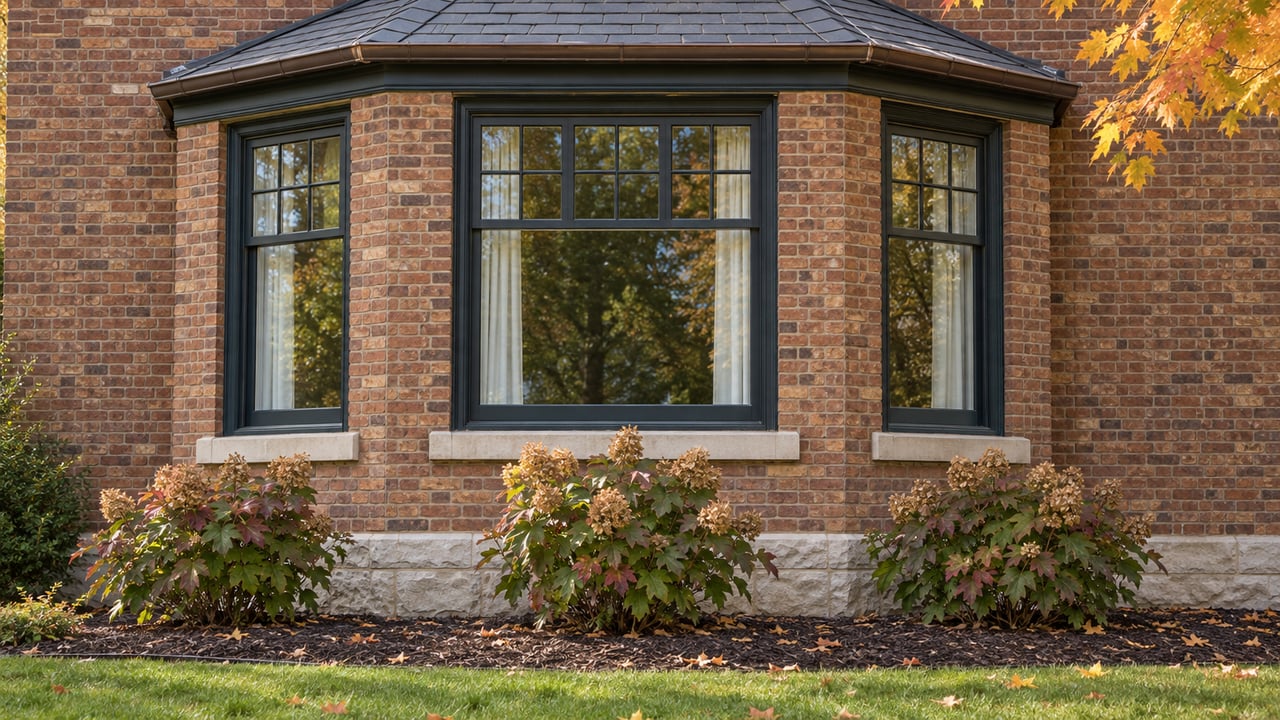
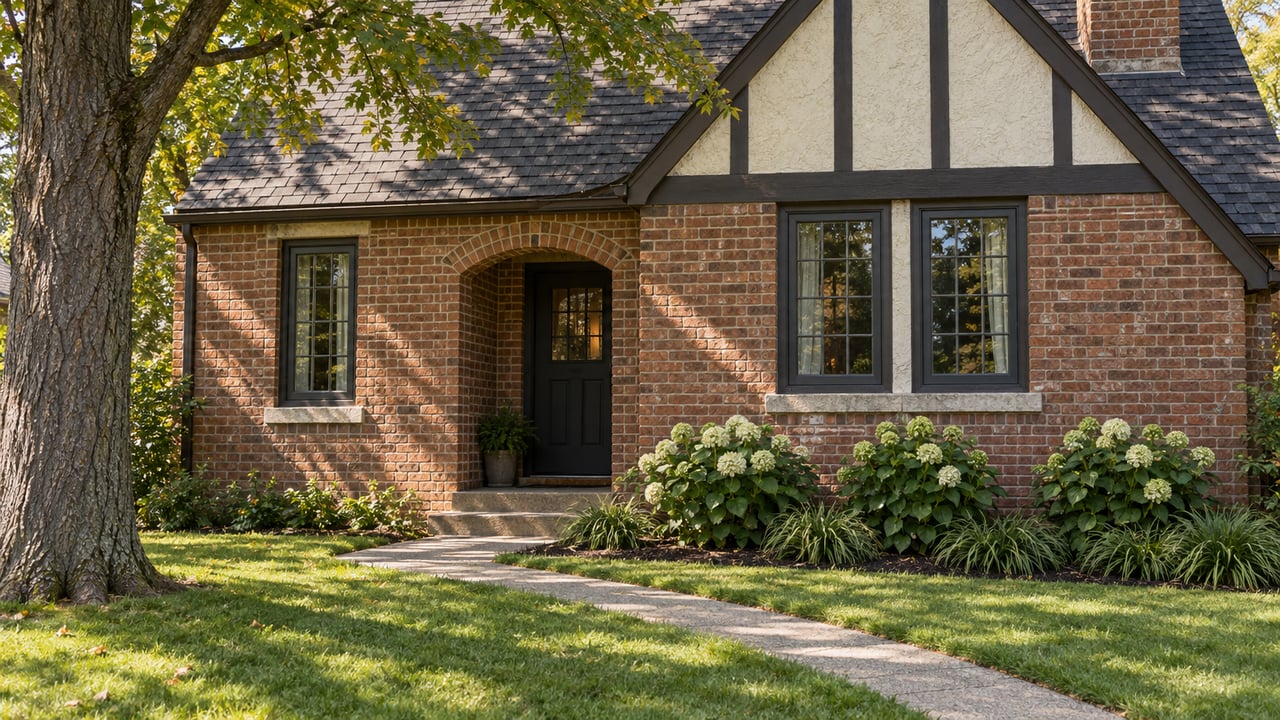
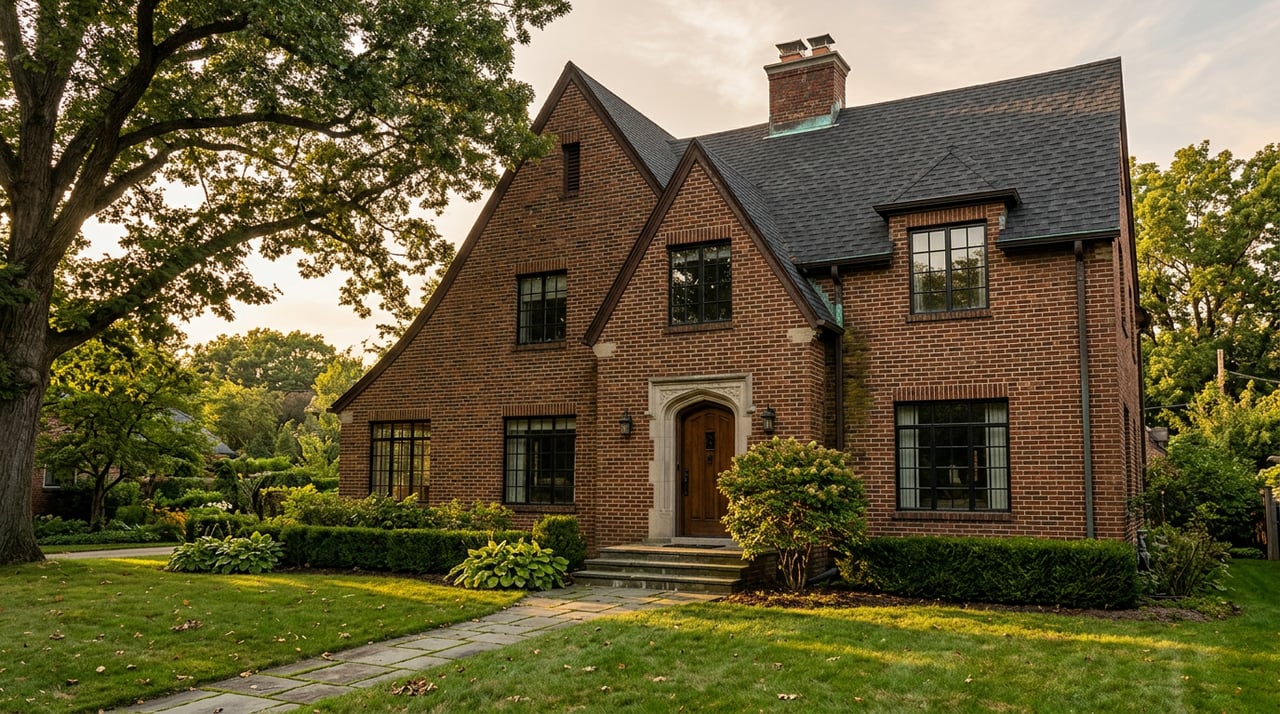
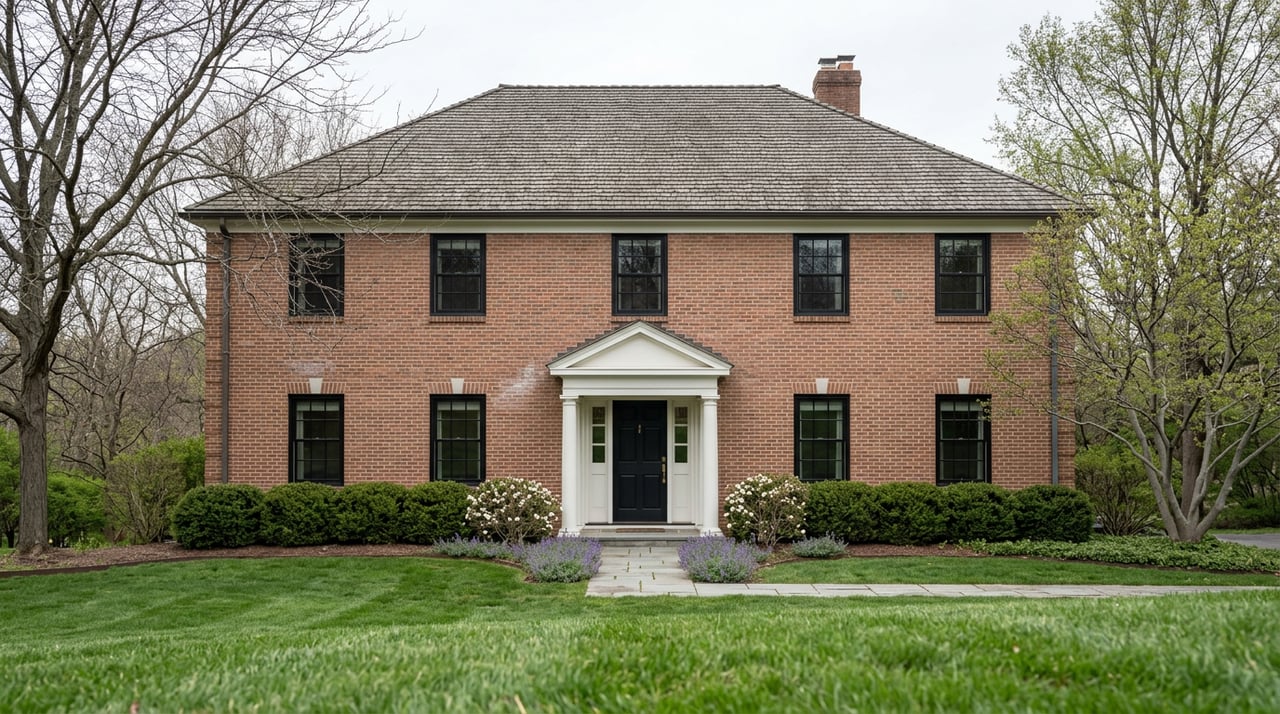
Vintage homes in Clarendon Hills usually appeal to buyers who care most about character, detail, and a more traditional streetscape. Older homes in the village are often masonry-forward and style-specific, with examples such as Georgian, cottage, and mid-century ranch homes.
These homes are often marketed around a very different set of strengths than new builds. Instead of oversized open-concept space, you are more likely to see features like:
For many buyers, that charm is hard to replicate. If you love homes with personality and a sense of permanence, older properties often deliver that in a way newer homes simply do not.
Current listings suggest that older homes appear more often in established pockets such as Blackhawk Heights and along streets like Hiawatha, Holmes, Ridge, Tuttle, Oxford, and Virginia. This is based on active listing patterns rather than an official village inventory, but it helps paint a useful picture of where you may encounter more classic housing stock.
If you picture a home on a mature lot with a more established street feel, these parts of Clarendon Hills may be worth watching closely.
One of the biggest differences between new and vintage homes is what you may need to handle after closing. In many cases, new homes offer more predictable systems and fewer immediate repair needs.
Most newly built homes include a builder warranty. Typical coverage often includes one year for workmanship and materials, two years for HVAC, plumbing, and electrical systems, and up to 10 years for major structural defects.
That does not mean a new home is maintenance-free, but it can reduce surprise costs early on. For buyers who want a smoother first few years of ownership, that can be a major advantage.
Vintage homes usually require more due diligence. Older systems, aging materials, and prior renovations can all affect what you may need to repair, replace, or update.
In Clarendon Hills, construction, remodeling, or demolition generally requires a permit. The village also updated its codes effective February 1, 2026.
That matters whether you are buying new construction or planning to renovate an older home. If you are considering a vintage property, it is especially important to understand what work has already been done and what future updates may involve.
If you are looking at older homes, age matters for more than style. The older the home, the more likely it may contain lead-based paint.
Clarendon Hills also notes that homes built before 1930 are most likely to have lead service lines, while homes built from 1930 to 1960 may also have them. That does not make an older home a bad choice, but it does mean your inspection and due diligence process should be thorough and informed.
Another practical difference is how the home may perform month to month. Newer homes often have an edge when it comes to insulation, windows, air sealing, and HVAC performance.
ENERGY STAR-certified new homes must exceed minimum energy code requirements by at least 10% and are independently verified. In general, guidance from ENERGY STAR and the U.S. Department of Energy notes that older homes usually have less insulation and use more energy than newer homes, which can lead to higher heating and cooling bills.
That said, older homes can often be improved over time. Insulation and air sealing can help, though ventilation and moisture control should be part of the plan. If you love an older home, it is worth budgeting not just for cosmetic changes, but also for performance upgrades.
Budget is often where this decision becomes most real. In Clarendon Hills, new construction usually carries a noticeable premium.
As of May 11, 2026, Redfin showed 8 new homes for sale in Clarendon Hills. The visible new-construction sample ranged from a $584,990 townhome on 58th Street to a $2.649 million custom home on Arthur Avenue, with several new single-family homes around $1.384 million to $1.999 million.
The visible vintage sample was thinner and lower on the market at that moment. Examples included a 1947 brick ranch in Blackhawk Heights listed at $425,000 and a 1942 brick Georgian listed at $390,000.
For broader context, the village-wide median sale price for all home types was $924,500 in March 2026. That means Clarendon Hills is already an upper-priced suburb before you add the premium that often comes with newer construction.
The right answer usually comes down to how you want to live, not just what style you prefer from the curb. In Clarendon Hills, both options can make sense, but for different reasons.
For many move-up buyers, this is as much a financial decision as an aesthetic one. Newer homes often cost more at the start, while older homes may leave room in your budget for inspections, repairs, upgrades, and personalization.
If you are serious about buying in Clarendon Hills, the best next step is to compare both categories in person. It is one thing to say you want charm or turnkey living, but seeing the difference in layout, lot feel, finish level, and condition can quickly clarify what matters most to you.
It also helps to think in terms of your first three years in the home. Ask yourself whether you want to spend that time settling in with minimal projects or investing in updates that could improve comfort, performance, and long-term value.
In a village that actively supports both preservation and new development, you do not have to force a one-size-fits-all answer. You just need the right strategy for your goals, your budget, and the kind of homeownership experience you want.
Whether you are leaning toward a custom new build or a classic older home with personality, working with a local expert can help you evaluate tradeoffs clearly and move with confidence. If you are exploring Clarendon Hills, Deidre Rudich can help you compare options, understand the market, and find the right fit for your next move.
Stay up to date on the latest real estate trends.
Whether you're seeking expert guidance on the market trends, property valuations, or specific neighborhoods, Deidre is ready to provide you with tailored solutions and personalized support. Send her a message through the contact form below, and she will be with you every step of the way.