La Grange Doesn't Inspect Your Home Before It Sells. Here's What Fills That Gap.
September 10, 2026
September 10, 2026
Call the Village of La Grange and ask if someone from the building department is coming out before your closing to check the furnace, the wiring, or the smoke detectors, and the answer is no. Ask about a transfer stamp, the little fee-per-thousand charge that dozens of neighboring towns tack onto every deed, and the answer is also no. The Village's own FAQ page settles both questions in plain language: no inspection required, no transfer stamps required. The only thing the Village asks before you sell is that your final water bill is paid.
If you've sold a house in a neighboring Chicago suburb that runs its own point-of-sale program, this reads like good news. West Chicago's own transaction page spells out the mechanics: a $100 base inspection fee plus 12 cents per square foot, a report valid for six months, and no deed certification number issued until the inspection clears. La Grange has none of that.
But look at what La Grange is made of, and private inspections are still worth considering.
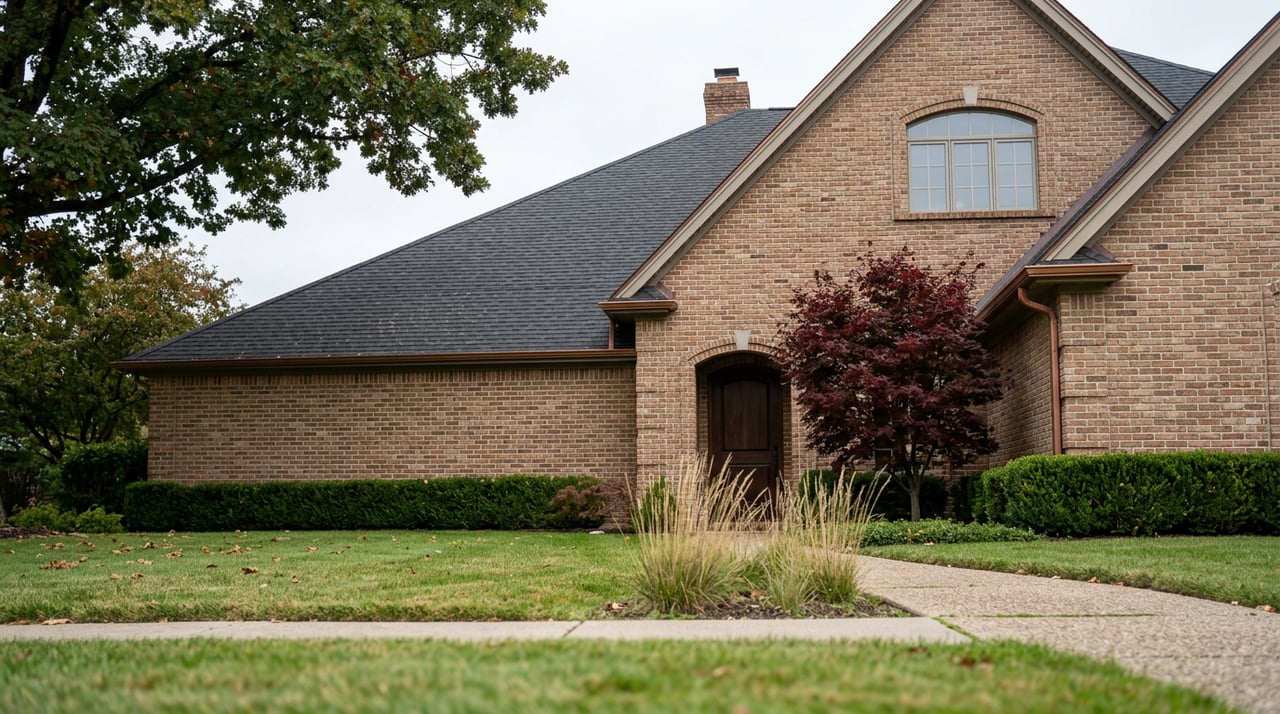
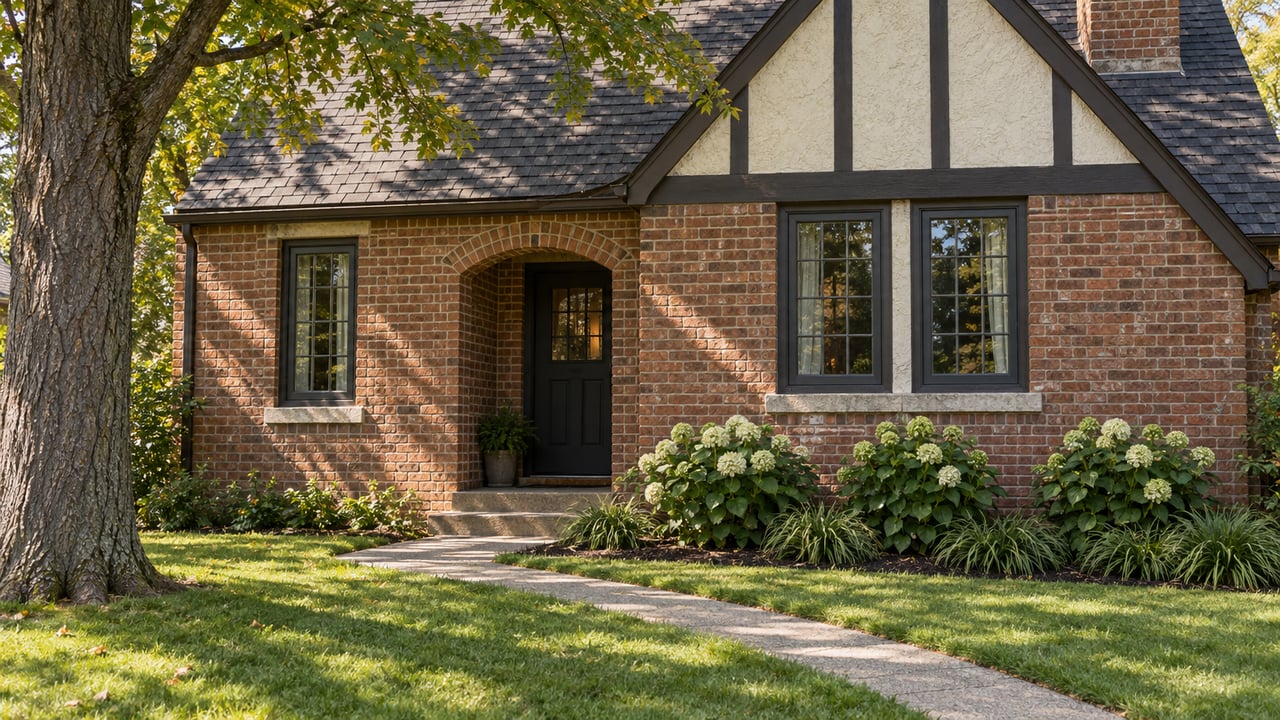
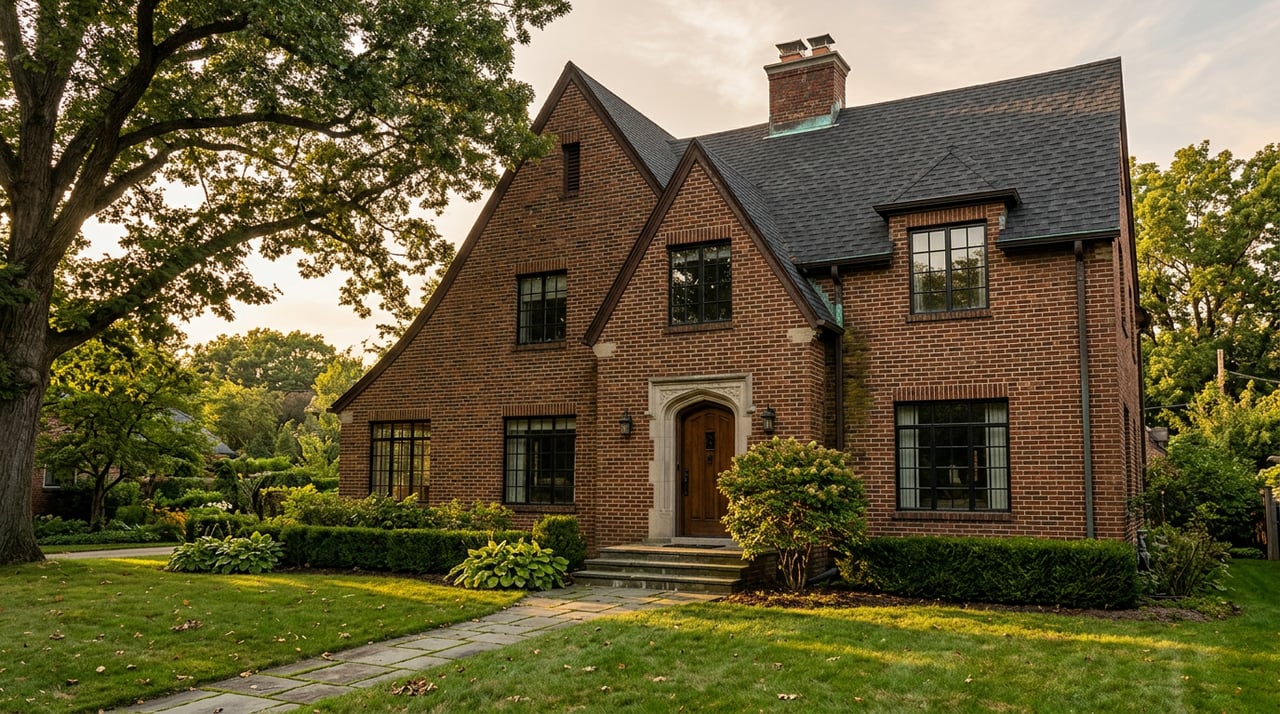
La Grange's older neighborhoods were significant enough, architecturally and historically, to earn a spot on the National Register of Historic Places back in 1979. Walk through those sections today and you're looking at homes built in the late 19th and early 20th century, the same era that produced the Village's sewer mains. That infrastructure runs as a combined system, meaning stormwater and sanitary waste share the same pipe. During a heavy rain event, that shared pipe can surcharge, and when it does, wastewater backs up into the lowest point in a house, usually a floor drain or a basement sink.
This isn't a hypothetical risk confined to one corner of town. The Village's own flood mitigation materials identify a South Basin, south of 47th Street, with six documented depressional areas that collect floodwater during high-intensity storms, alongside a separate stormwater study covering the North Basin, the area north of 47th Street. The Village is not hiding from this. It runs its own sewer televising and cleaning program, using camera inspection to find deficient sections of pipe and repairing them through sewer lining. That's diligence on the public side of the property line.
Private systems require separate consideration. The lateral pipe connecting your house to the main, the one running under your own yard, is your responsibility, according to the Village's property-owner guidance, and nobody from the building department is coming to look at it before you sell. Neither is anyone checking the water heater, the electrical panel, or whether a previous owner's DIY basement finish buried a problem behind drywall. In a village with plenty of homes older than a century, those are worth checking privately.
The Village offers a Sewer Backup Prevention Grant that reimburses homeowners 50 percent of the cost of a qualifying backwater valve or overhead sewer conversion, up to $3,000 for a backflow device or $5,000 for a full overhead sewer. It opens every year on May 1, runs first-come-first-served, and closes when the annual budget is spent.
For a seller, that program is worth knowing two ways. If you've already used it to install a backwater valve, that's a concrete, dated improvement you can point to in a listing conversation, not a vague claim about a dry basement. If you haven't used it and you're in an older section of the Village, it's worth finding out before you list whether your home would even qualify, because a seller who can say "we addressed this" is in a stronger position than one who can only say "we never had a problem, as far as we know."
For a buyer, the program cuts the other way. If a seller mentions flooding history or shows evidence of remediation work, the natural follow-up is whether they applied for the Village grant, and if so, when the work was done and what it covered. A backwater valve installed under this program is a very different disclosure than water damage patched over without addressing the cause.
Because a Village inspection is not required, sellers can consider arranging private inspections. A few things worth doing before you list, especially in a home built before 1950:
If you're on the other side of this transaction, the absence of a municipal inspection means you can't lean on a village report the way you might in a town that requires one. That makes a few questions worth asking directly:
Has the home ever experienced a sewer backup, and if so, was any corrective work done through the Village's grant program or otherwise? Has the private lateral ever been scoped, and is there a report available? What's the age and condition of the sump system, and does its discharge point comply with Village rules? None of these are accusatory questions. These are practical questions to consider when no municipal inspection is required.
Does La Grange charge a real estate transfer tax? No. The Village's FAQ confirms transfer stamps are not required, which is a genuine departure from many nearby municipalities that charge a per-$1,000 fee on every sale.
Is every part of La Grange equally exposed to sewer backup risk? No. The Village's own materials point specifically to depressional areas in the South Basin, south of 47th Street, as the highest-risk zones, with a separate study covering the North Basin, north of 47th Street.
What does the Village require before closing? A paid final water bill. That's the extent of the municipal checklist.
La Grange's real estate market rewards buyers and sellers who understand exactly what the Village checks and what it leaves in your hands. Knowing the difference before you list or make an offer is the kind of local detail that changes how a negotiation goes.
If you're weighing a sale in La Grange, or comparing it against a nearby suburb with a different rulebook, Deidre Rudich can walk you through what the Village actually requires and what a private inspection should cover before you're under contract. Schedule your complimentary market consultation to start with a clear picture instead of an assumption.
This article is general information, not legal, tax or financial advice. Consult a qualified professional about your situation.
Stay up to date on the latest real estate trends.
Whether you're seeking expert guidance on the market trends, property valuations, or specific neighborhoods, Deidre is ready to provide you with tailored solutions and personalized support. Send her a message through the contact form below, and she will be with you every step of the way.