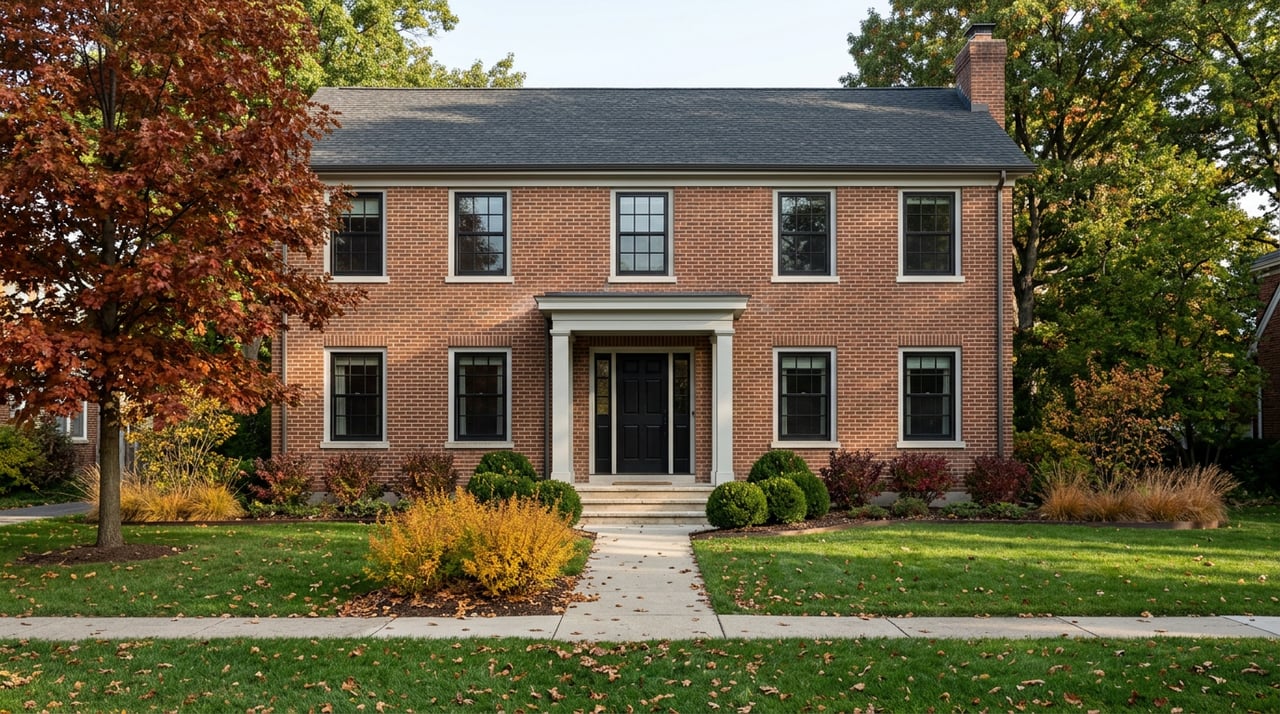
La Grange Park vs. La Grange: What the Price Gap Actually Measures
August 13, 2026
August 13, 2026
Why does a house in La Grange Park sell for tens of thousands less than a nearly identical house across the border in La Grange? Most buyers cross-shopping these two adjoining villages answer that question with a shrug: La Grange Park must just be the lesser version. Same Cook County tax base, same tree-lined blocks, same commuting corridor, but somehow a lower price tag.
That answer is wrong, or at least incomplete. The gap is real, but it isn't measuring quality. It's measuring distance to a train platform, and it's flattening two very different markets inside La Grange Park into a single number that doesn't describe any house you'll actually walk through.
Here's what a quick search turns up. In January 2026, the median sale price in La Grange Park was $545,000, up 12.4% from a year earlier. Over the trailing twelve months through June 2026, La Grange's detached median sale price sat at $775,000, up 9.2% year over year, with homes closing at 103.1% of list price and an average of 30 days on market.
That's roughly a $230,000 gap between two villages that share a border, a park district service area for some residents, and a commuting corridor.
| La Grange Park (Jan. 2026) | La Grange (trailing 12 mo. through June 2026) | |
|---|---|---|
| Median sale price | $545,000 | $775,000 |
| Average sale price | $700,000 | $841,902 |
| Gap between average and median | +28% | +9% |
| Days on market | 40 (down from 74 a year earlier) | 30 |
Look past the top row and the story changes. La Grange Park's average sale price runs 28% above its median. La Grange's average runs only 9% above its median. That's not a rounding difference. It's a signal that La Grange Park's market is far more spread out, with a cluster of lower-priced homes and a separate cluster of much higher-priced ones pulling the average away from the middle. La Grange's market, by comparison, is more tightly bunched around its median. One town has a single story. The other has two.
Start with the piece that explains most of the headline gap: access to rail.
La Grange has two Metra stations of its own on the BNSF line, La Grange Road and the historic Stone Avenue depot, both walkable from the village's downtown. The Village of La Grange reports nearly 5,000 riders a day using those two stops, and a ride from La Grange Road into Union Station takes about 24 minutes.
La Grange Park has no station of its own. Residents drive or walk to one of La Grange's two stops instead, which stretches the door-to-platform commute to somewhere in the 25 to 35 minute range depending on which station and how far the walk is.
That difference sounds small until you price it. Walk-to-train access is one of the most consistently capitalized features in suburban Chicago real estate, meaning it shows up directly in what buyers are willing to pay per square foot, independent of the house itself. A four-bedroom colonial two blocks from the Stone Avenue platform and the same four-bedroom colonial a mile away in La Grange Park are not competing for the same commuter. One buyer is paying for a walk. The other is paying for a drive. The $230,000 gap between the two villages' medians is, in large part, the market pricing that walk.
Here's the part a single median can't show you. La Grange Park isn't one housing stock. As of early August 2026, active listings across its five subdivisions span from $499,000 to $1,350,000, and that range isn't evenly distributed across the village. It clusters into distinct pockets:
Put the pieces together and the 28% gap between La Grange Park's average and median sale price stops looking like statistical noise. It's the signature of a village with two buyer pools instead of one, a starter and move-up tier on one side and a Harding Woods and Robinhood Estates tier on the other, both getting folded into a single headline number.
If you're comparing La Grange Park to La Grange using published medians alone, you're comparing an average of two different markets to a much more consistent one. That comparison tells you less than it appears to.
A more useful version of the question isn't "which village is cheaper." It's "what am I actually trading for the difference." If you buy in La Grange Park within walking distance of one of La Grange's own Metra stations, expect the price gap to shrink considerably, because you're paying for nearly the same commute. If you buy deeper into Harding Woods or Robinhood Estates, you're not chasing a discount at all. You're in La Grange Park's upper tier, priced closer to La Grange itself, in exchange for a bigger lot, more mature trees, or proximity to the Salt Creek Forest Preserve rather than a downtown storefront.
The discount that shows up in the headline numbers is mostly available at the entry end of La Grange Park's market, farther from both villages' train platforms. That's a real value proposition for a buyer who drives to work or works from home. It's a much smaller one for a commuter chasing a short walk to the platform.
Is La Grange Park actually cheaper than La Grange? On paper, yes. The January 2026 median in La Grange Park was $545,000 against La Grange's trailing twelve-month detached median of $775,000. But that gap narrows sharply for homes close to either of La Grange's Metra stations and widens further out, so the honest answer depends on which pocket of La Grange Park you're comparing.
Does La Grange Park have its own train station? No. Residents use La Grange's two BNSF stations, La Grange Road and Stone Avenue, which is part of why proximity to the village line matters more in La Grange Park than proximity to its own downtown.
Which La Grange Park subdivision tends to hold the most value? Harding Woods currently has the most active listings and anchors the top of the village's price range, with homes running from starter-sized to well over 5,000 square feet. Robinhood Estates is the other higher-end pocket, known for larger, mid-century lots.
The number on a listing sheet tells you what a house sold for. It doesn't tell you why, and in a market this bifurcated, the why is most of the decision. If you're weighing La Grange Park against La Grange, or trying to figure out which pocket of either village actually fits your commute and your budget, that's the exact kind of block-by-block read Deidre Rudich works through with buyers every week. Schedule your complimentary market consultation and we'll walk the real numbers together, not just the medians.
Stay up to date on the latest real estate trends.
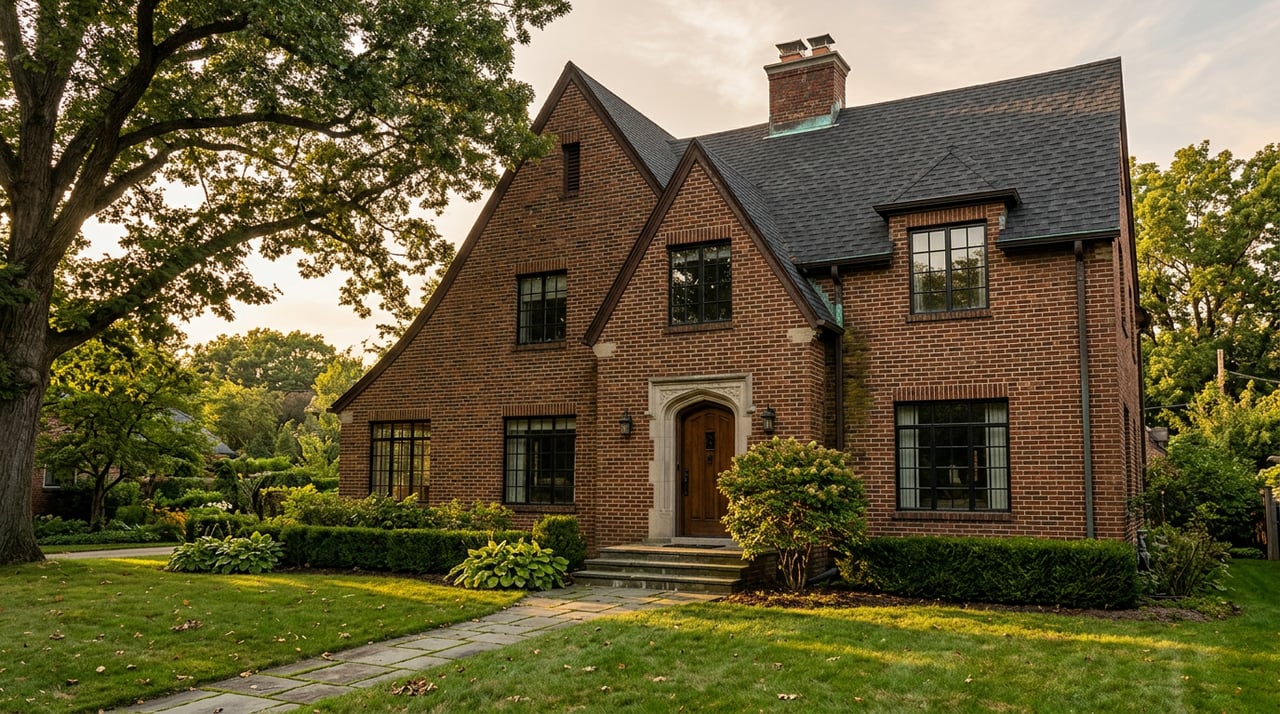
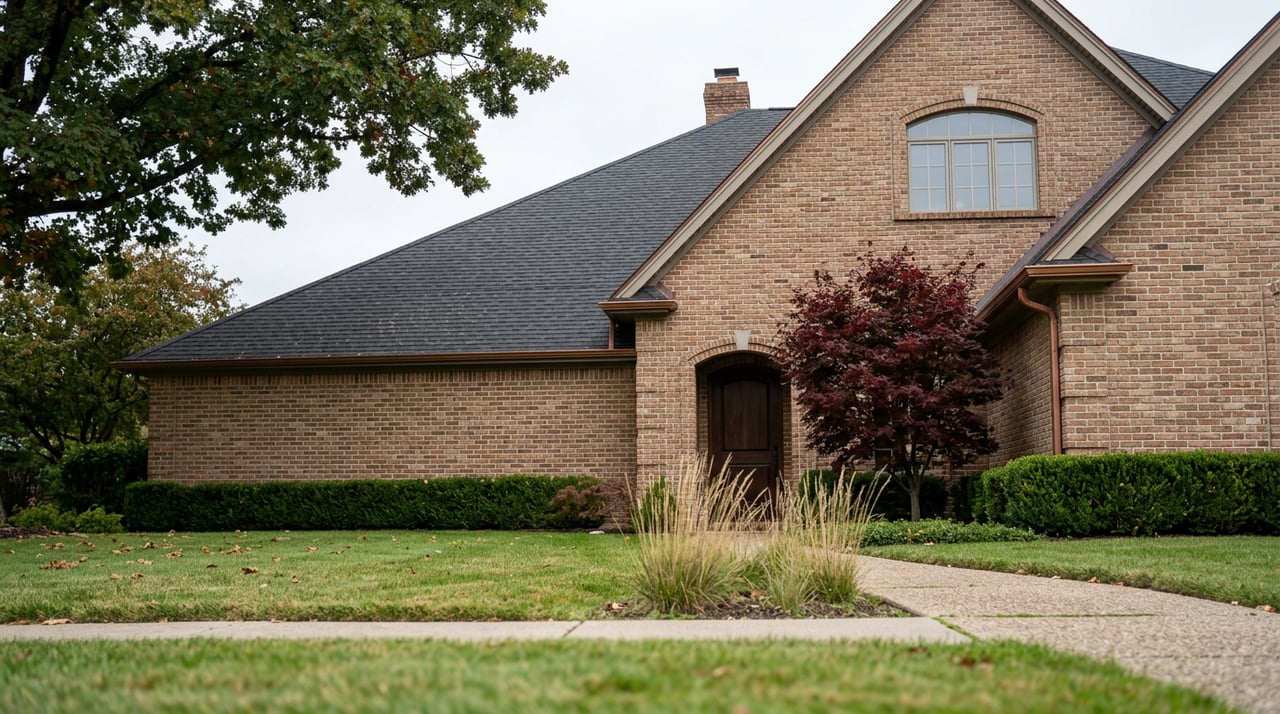
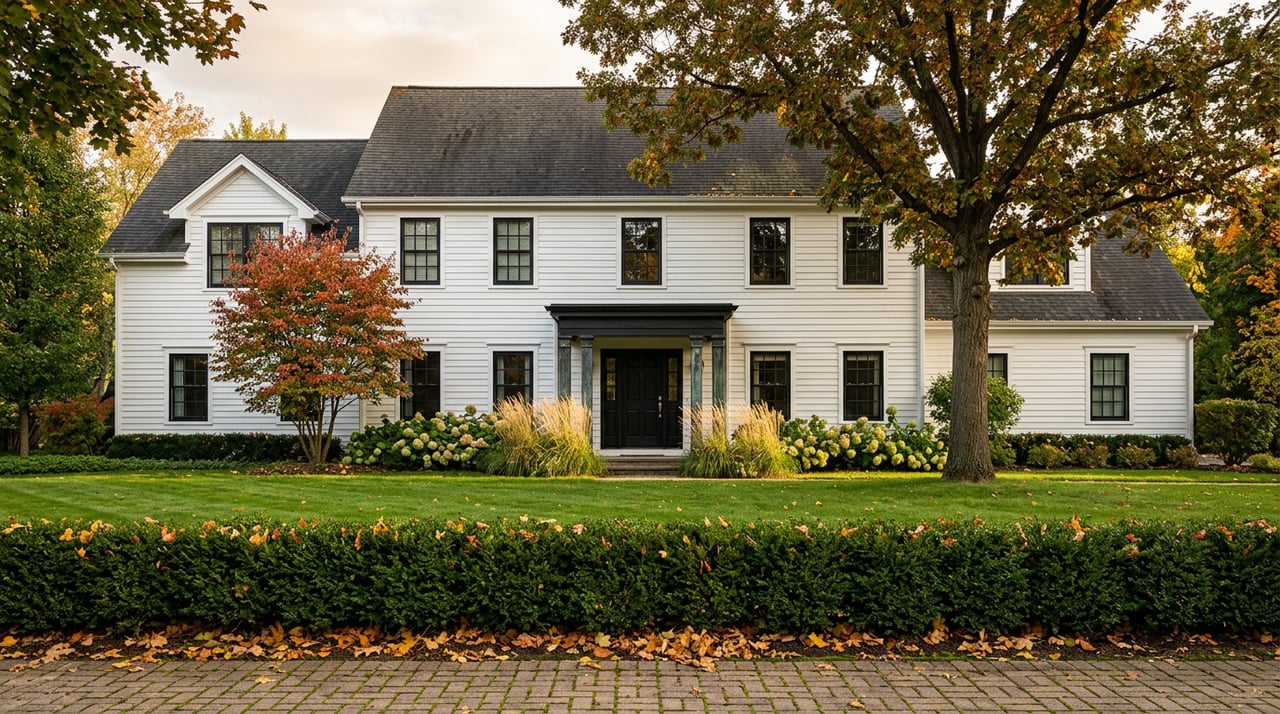
Whether you're seeking expert guidance on the market trends, property valuations, or specific neighborhoods, Deidre is ready to provide you with tailored solutions and personalized support. Send her a message through the contact form below, and she will be with you every step of the way.